Last updated November 18, 2026


Free written scope consultation - allowances, timeline, and change-order rules on paper before a single trade is scheduled
DIY vs Professional Construction: The Sunnyvale Homeowner’s Decision Guide
Most homeowners think the DIY question is about skill. It isn’t. In Sunnyvale, it’s about liability. A homeowner with decent hands can install a fence or lay pavers and do a fine job of it. The same homeowner who converts a garage into a living space without a permit, or moves a bathroom wall without a sign-off, has created something else entirely: a disclosed defect that will follow the house to every future sale. The difference between those two outcomes has almost nothing to do with how well the work is done. It has to do with whether the work is legal, permitted and insurable. This guide walks through what you can legitimately do yourself in Sunnyvale, what California law says belongs with a licensed contractor, and how to weigh the resale math before you pick up a tool.
Quick Answer
In Sunnyvale, cosmetic work that doesn’t trigger a permit and doesn’t involve licensed trades – painting, staining, fencing, basic landscaping – is realistic DIY territory. Anything structural, electrical, plumbing, gas, or that adds or reconfigures livable square footage requires a licensed contractor and a city permit under California law. If the work will ever be disclosed in a Santa Clara County transfer, the professional route almost always costs less over the life of the home than the resale discount an unpermitted project creates.
Styles & brands we work with
- Kitchen remodeling
- Bathroom remodeling
- Home additions & ADU
- Roofing
- Windows & doors
- Driveway & pavers
- Fence
Table of Contents
- Where Sunnyvale Draws the Legal Line
- Task-by-Task: What’s DIY-Eligible in Sunnyvale
- The Resale Risk Calculation: Unpermitted Work and Santa Clara County Disclosures
- Where DIY Genuinely Makes Sense in Sunnyvale
- The “Looks DIY, Isn’t” Category
- DIY Inside a Larger Coordinated Project
- How to Choose the Right Contractor When You Do Hire
- Common Mistakes to Avoid
Where Sunnyvale Draws the Legal Line
California’s contractor licensing rules are written to protect the person who buys the work, and they draw a fairly sharp line. If a job requires a permit, the permit requires a licensed contractor to pull it. If a job involves regulated trades – electrical, plumbing, mechanical, gas – the state expects a licensed professional. That leaves a meaningful band of work that is legal, sensible and safe for a homeowner to do alone. Knowing which band you’re standing in is the whole game.
Under California law, any project over the state threshold for home improvement work must be performed by a licensed contractor, and most projects that touch structure, systems or habitable space cross that threshold. A homeowner can perform work on their own residence without a contractor license in some circumstances, but the city permitting layer still applies. That’s the part homeowners most often miss: the license and the permit are two different gates, and both have to open.
Sunnyvale’s building department reviews projects against the California Building Code, the California Residential Code and local amendments. If you’re unsure whether your project needs a permit, the honest answer is to call the city’s building department and ask. Most Sunnyvale homeowners find out one of two ways: they call first, or they call after a buyer’s inspector flags something. The first is considerably cheaper.
It also helps to know that permits aren’t just paperwork. A permitted job gets inspected at defined stages. For a bathroom or kitchen, that typically means a rough-in inspection before drywall and a final inspection after finishes. For an home additions & ADU project, it usually means foundation, framing, rough trades and final. Those inspections are the reason permitted work carries resale value – they’re documented proof the work was done to code.
Task-by-Task: What’s DIY-Eligible in Sunnyvale
The cleanest way to settle the DIY question is to sort projects by what they involve rather than how hard they look. Here’s the framework we use when a Sunnyvale homeowner asks us whether they should do the work or hire it:
- Painting, interior and exterior. DIY-eligible. No permit, no licensed trade. Prep and surface condition drive the outcome more than technique.
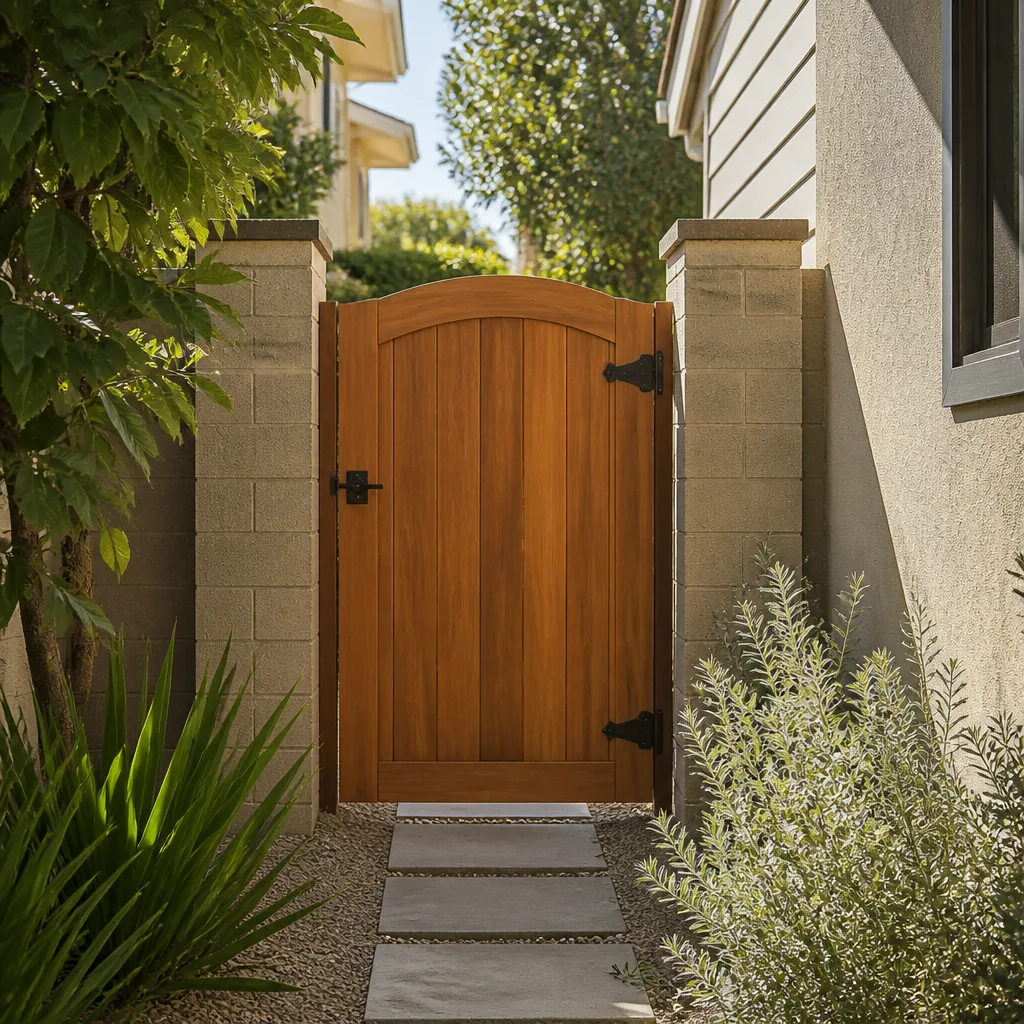
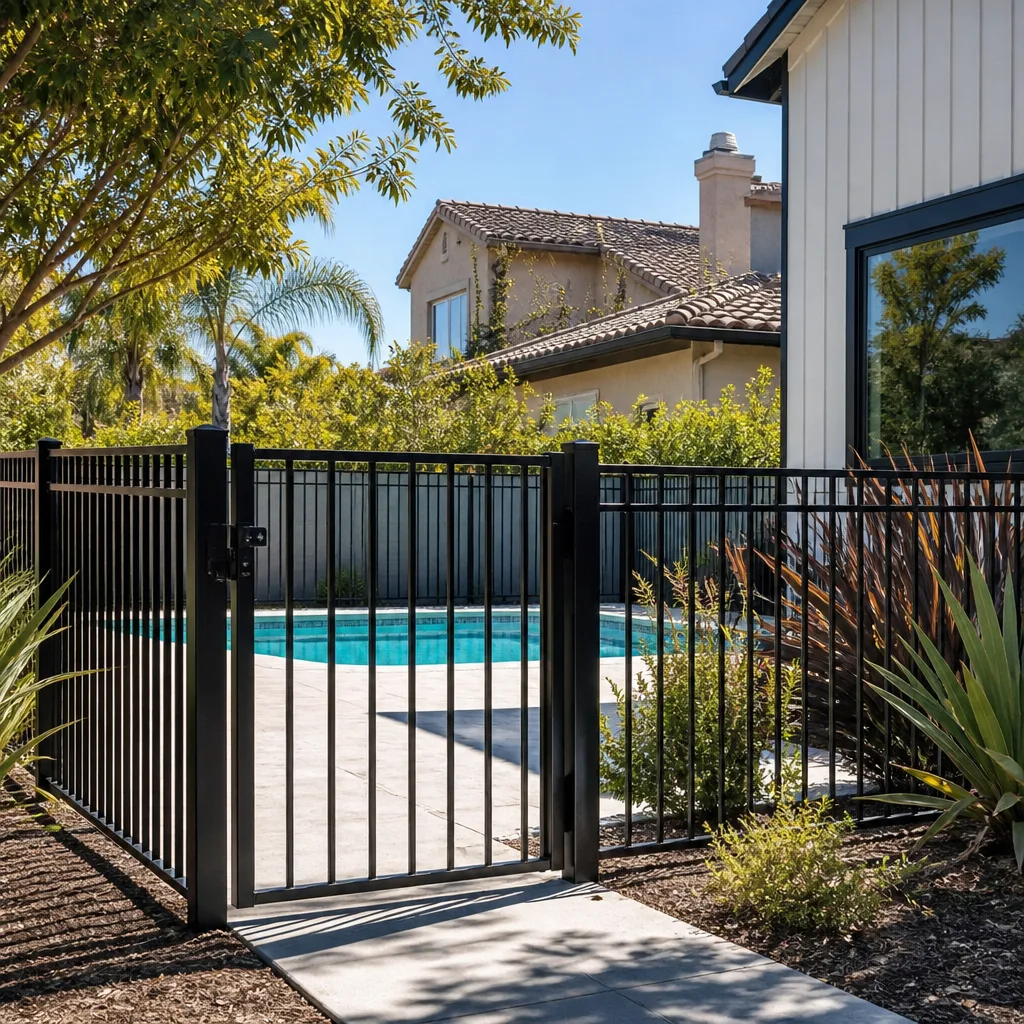
- Fence installation. Generally DIY-eligible, with a height caveat. Most Sunnyvale fences under six feet don’t need a permit, but fences over that height or on certain property lines may. Check with the city.
- Deck staining and sealing. DIY-eligible. Clean, strip, seal. The consequence of imperfection is a re-do, not a defect.
- Landscaping and planting. DIY-eligible. Grading that changes drainage toward a neighbor’s property is a different story and can create a civil issue.
- Tile work. Technically DIY-eligible. Practically, this is where homeowners underestimate scope. Waterproofing behind tile is where failures live, and failures are expensive.
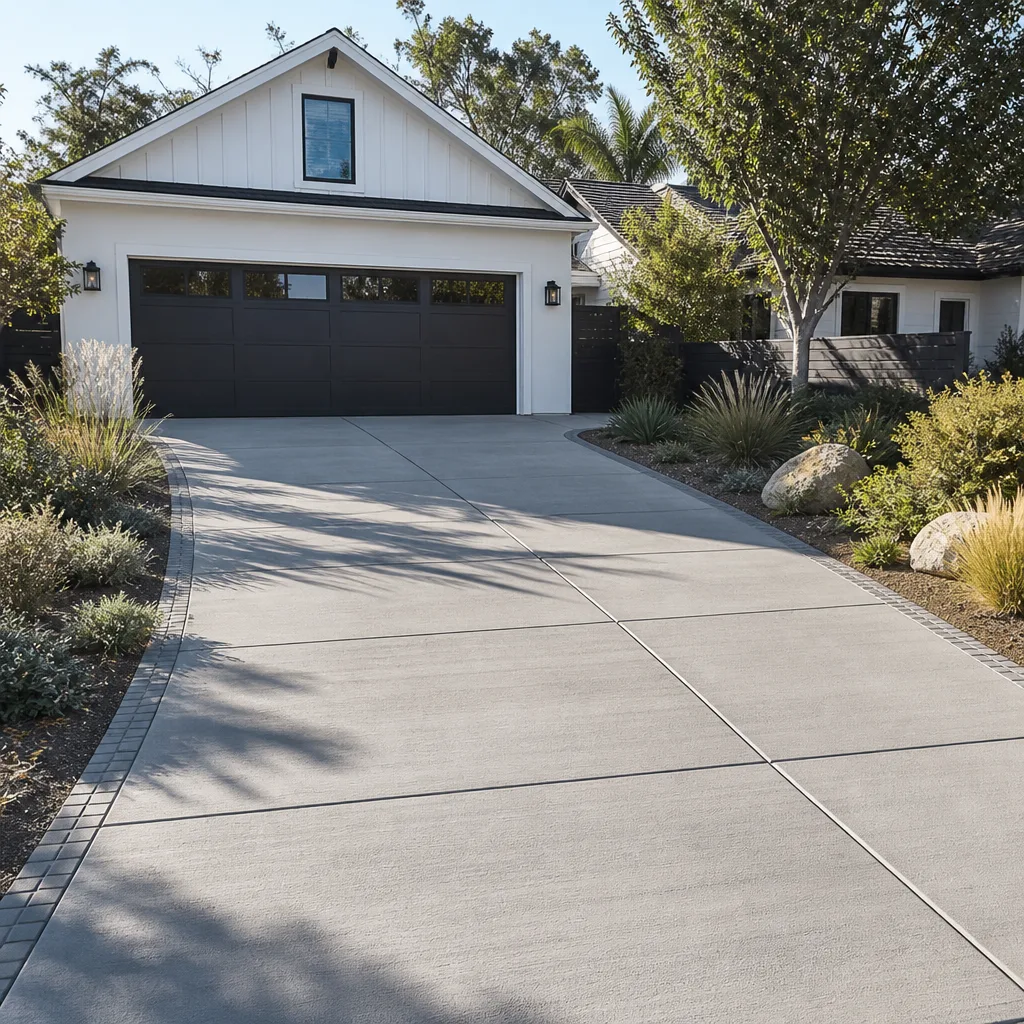
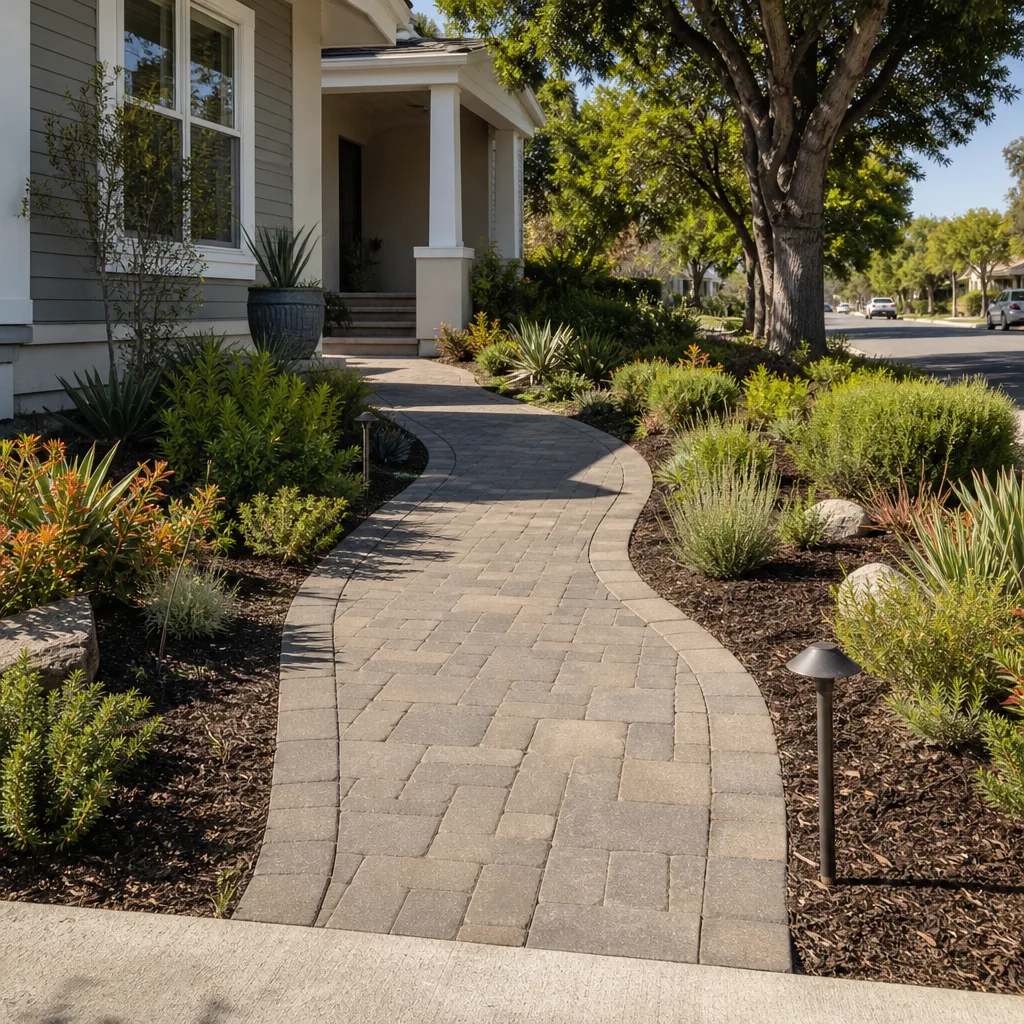
- Paver patios and driveways. DIY-eligible in principle. Base preparation is everything, and a bad base means settling within a season. This is where brands like Belgard and Unilock earn their keep – the material is fine, the installation is what fails.
- Bathroom remodeling. Not DIY-eligible once you touch plumbing, electrical or moved walls. The permit and the licensed trades are the gate.
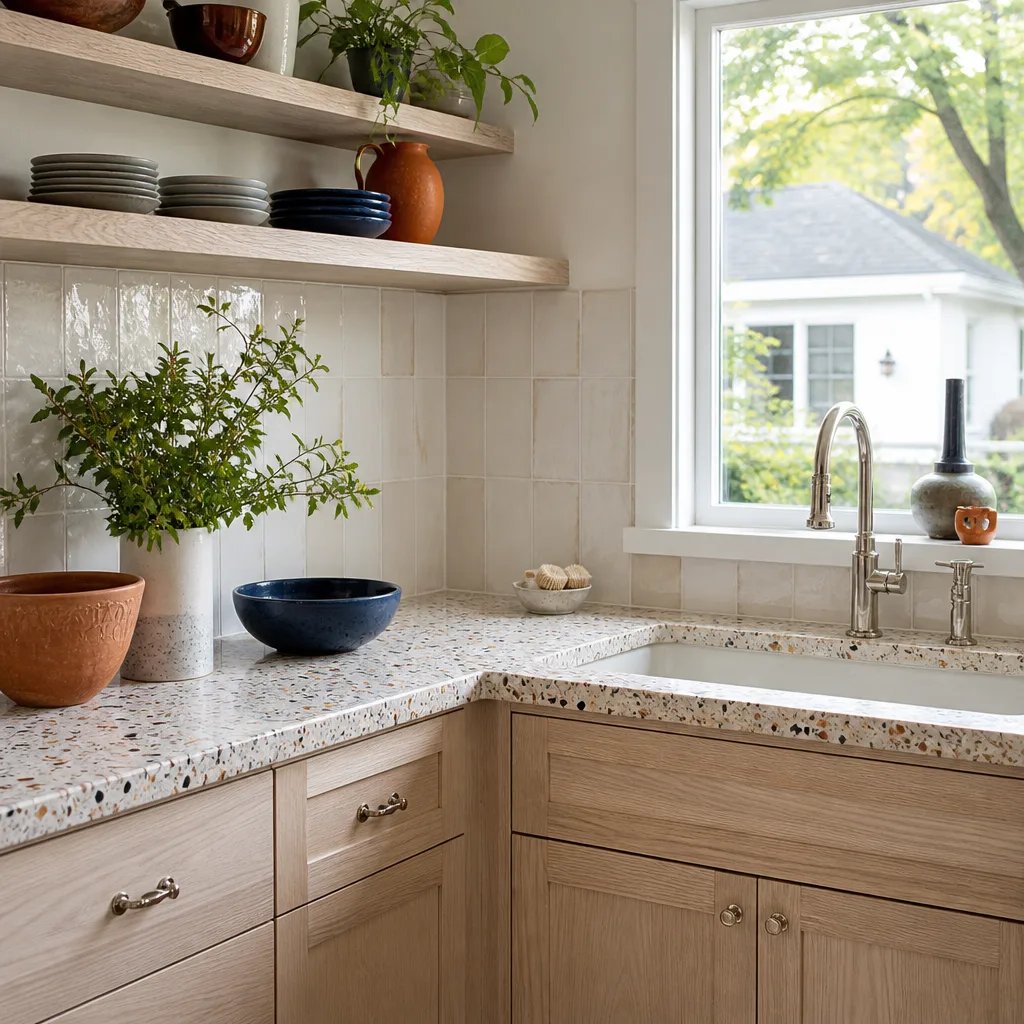
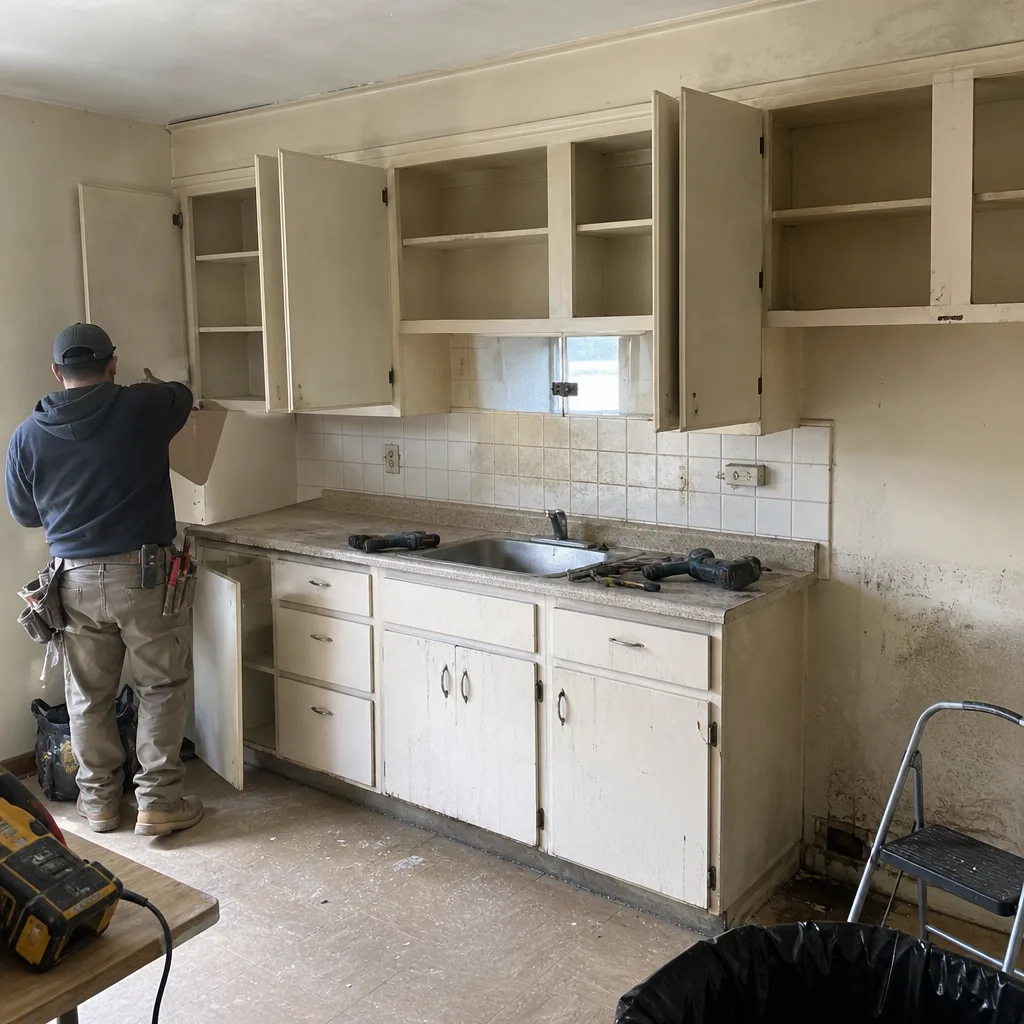
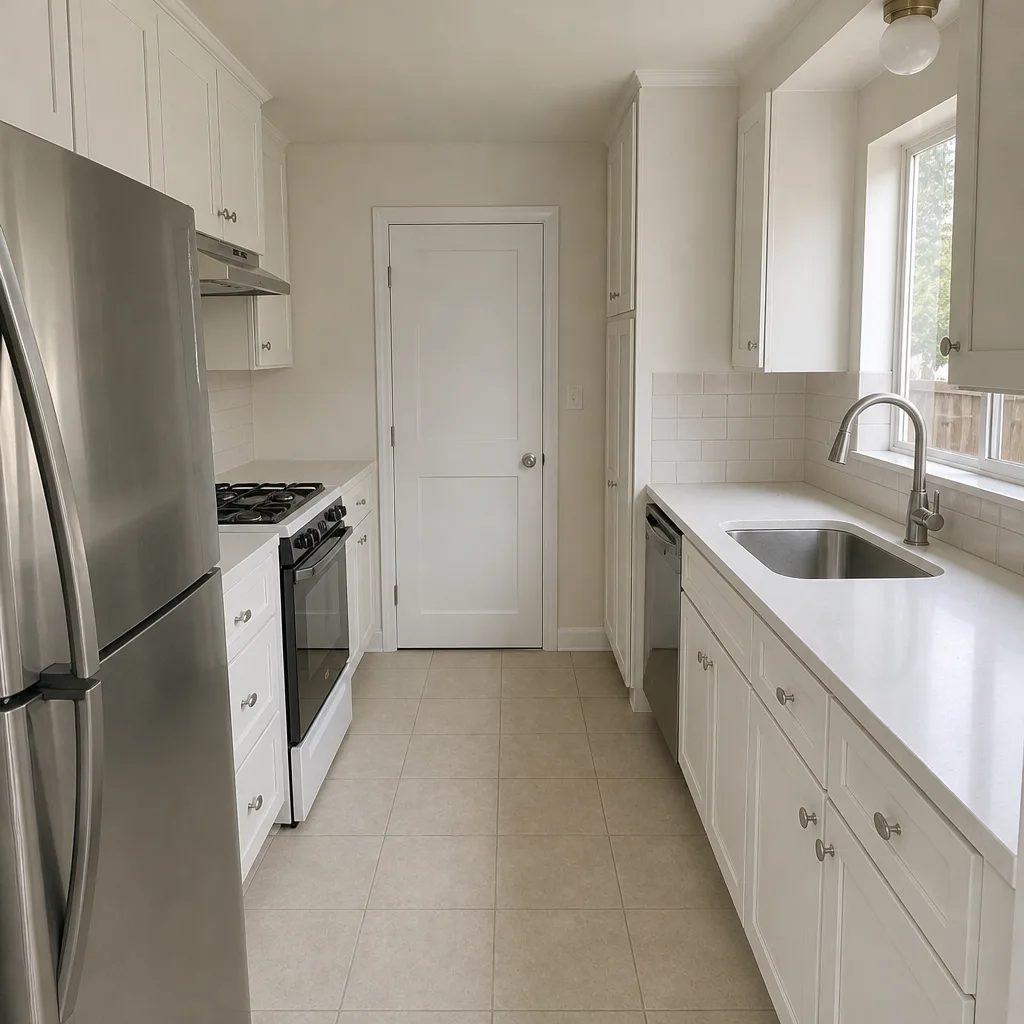
- Kitchen remodeling. Same rule. Plumbing relocation, electrical circuits for appliances and gas lines all require licensed trades and inspections.
- Roofing. Not DIY-eligible in practice. Roof work involves heights, structural attachment, flashing details and a warranty that only exists if the installation is professional.
- Windows and doors. Replacement in an existing opening can sometimes be done without a permit, but structural changes, new openings and egress requirements require one. Trades and permit complexity make this a professional job.
- Home additions and ADUs. Never DIY-eligible. These are full permit-and-inspection projects from foundation to final.
- Electrical, plumbing, gas, HVAC. Not DIY-eligible. These are the regulated trades, and they’re regulated for good reason.
If you’re on the fence about a project that touches your property’s exterior, our driveway & pavers page walks through what proper base work involves, which is usually the deciding factor for whether DIY makes sense.
The Resale Risk Calculation: Unpermitted Work and Santa Clara County Disclosures
This is where the DIY conversation in Sunnyvale gets real. Homes here trade at high values, and buyers and their agents are sophisticated about what unpermitted work means. When a property sells in Santa Clara County, the seller disclosures require the seller to state what they know about the property’s condition and history, including any known unpermitted work. That disclosure doesn’t disappear the way a Saturday project does. It becomes part of the record every future buyer’s agent will read.
The cost of unpermitted work to a seller typically shows up in two places. First, a buyer’s inspector will flag work that doesn’t match permit history, and the buyer’s agent will price the risk. Second, the buyer may ask the seller to legalize the work before closing, which means the seller pays to bring it up to code, sometimes undoing what was built. The cost of legalizing often exceeds the original professional quote for the same scope. That’s the part that surprises homeowners: the DIY route doesn’t just risk the difference in price, it can double the cost of the same project.
The legalizing process for a bathroom or garage conversion usually follows this sequence:
- Retroactive permit application with the city. The homeowner files for a permit on work already performed.
- Plan review. The city reviews drawings of the as-built condition against code.
- Physical inspection. An inspector verifies the as-built work, sometimes requiring selective demolition to see concealed conditions.
- Corrections. Anything not meeting code gets corrected and re-inspected.
- Final sign-off. The permit closes and the work is now on record.
A permitted job skips steps 1, 2, 3 and 4 because they were done before the work happened, at the right time, without tearing anything apart. That’s what you’re actually paying for when you hire a professional: the work happening correctly the first time, with a paper trail a buyer’s agent can verify.
Where DIY Genuinely Makes Sense in Sunnyvale
We’re not arguing that every project should be hired out. Far from it. There’s real work you can do yourself that saves money without creating liability, and the criteria for that work is fairly clear:
- No permit required. If the city doesn’t require a permit, that’s a strong signal. If it does, DIY is off the table.
- No licensed trade involved. No electrical, plumbing, gas or mechanical work. Cosmetic finishes only.
- Low consequence for imperfection. The worst possible outcome is doing it again, not a defect that follows the house.
- Reversible. If the outcome isn’t right, you can undo it without professional help.
- Not on a critical path. DIY work that holds up other trades creates scheduling problems you’ll pay for later.
Within those criteria, work like interior painting, exterior touch-up painting, deck staining, garden bed work, and small fencing repairs genuinely make sense for a Sunnyvale homeowner to take on. These are Saturday projects with clean outcomes. You’ll still want to do them well – a bad paint job looks like a bad paint job – but the consequence of a mistake is time, not a disclosure item.
Where a newer homeowner often gets value out of DIY is in the small, non-permitted refreshes that improve a room without touching systems. Repainting cabinets, swapping hardware, updating light fixtures on existing circuits – all reasonable. The moment your project needs a new circuit or a plumbing line moved, stop and call.
The “Looks DIY, Isn’t” Category
Some projects look like a weekend job until you’re three weekends in and behind schedule. We’ve seen this pattern enough to recognize it: the homeowner starts a project that photographs well on a tutorial, hits an unfamiliar condition, and ends up hiring someone to finish or fix. The cost usually exceeds what a professional quote would have been at the start.
The projects that most often fit this pattern in Sunnyvale:
- Tile work, especially showers and tub surrounds. The surface is the easy part. Waterproofing behind it is where failures begin, and failures mean tearing out finished work.
- Painting with significant prep work. The painting isn’t the job. Prep, patching, priming and masking are the job, and they take longer than the painting itself.
- Deck staining and refinishing. Looks like a weekend. Usually turns into a week once you strip, sand and address rot.
- Fence installation over uneven grade. A flat, level yard is one project. A Sunnyvale yard with a slope is a different project, and posts set without proper footings lean within a season or two.
- Paver patios and driveways. Base preparation is 70% of the job, and it’s the part tutorials skip. Edging and joint sand work also matter. Brands like ActiveYards for fencing and Tremron for pavers hold up over decades when installed right, and fail early when the prep is wrong.
There’s no shame in this pattern – almost every homeowner who’s owned a house for a while has a story about the project that got away from them. The point is to recognize the category before you commit. If a tutorial makes a job look straightforward, ask what the tutorial doesn’t show. Usually it’s the prep, the waterproofing or the substrate.
For fencing specifically, our fence installation page covers what proper footing and material selection look like, which is usually the deciding factor in whether a fence will stand straight for a decade or lean by year three.
DIY Inside a Larger Coordinated Project
Here’s a scenario that catches people: the homeowner decides to do part of a larger project themselves to save money. The plan sounds reasonable – they’ll handle the demo, the contractor will handle the build. The problem is what happens next.
When DIY work sits inside a larger project, three things go wrong. The first is scheduling. A contractor’s crews are sequenced, and if the DIY portion runs long, the rest of the project is delayed. Sometimes that means crews get reshuffled and the contractor has to charge for the reshuffle, or the timeline just stretches out. The second is liability. If the contractor’s work sits on top of DIY work and something fails, sorting out who’s responsible becomes a conversation nobody wins. The third is warranty. Most professional work comes with a workmanship warranty, and that warranty rarely covers failures caused by adjacent DIY work.
Where partial DIY can work cleanly:
- Demo that’s been scoped and agreed with the contractor first. Clear the debris, prep the site, hand off clean.
- Finishes scheduled after the contractor’s final inspection. Paint after the permit closes, not before.
- Work on a separate part of the property. Landscaping the front while the back is being built out doesn’t interfere.
Where it usually backfires: DIY in the middle of the critical path. If your work has to be finished before the next trade can start, the safe move is to let the contractor own the sequence. One contractor, every trade is not just a slogan – it’s the reason projects hit their timelines. When a single team owns the sequence, there’s no handoff for a DIY gap to open up.
This matters most on home additions & ADU work, where the permit and inspection sequence is long and any gap in the schedule cascades through every trade that follows.
How to Choose the Right Contractor When You Do Hire
The flip side of the DIY decision is knowing what to look for when the work truly requires a professional. Most homeowner pain in construction comes from the wrong match, not the wrong trade. Here’s what actually separates a good experience from a hard one:
- Licensure and insurance. Verify both before signing. The state license lookup is public, and any contractor should be able to share proof of insurance without being asked twice.
- Permit experience. Ask specifically how the contractor handles permits in Sunnyvale. A contractor who pulls permits as routine is a different animal from one who tries to talk you out of them.
- Written line-item estimate. You should see the scope broken down, not a single number. Vague estimates are where change orders come from.
- Material options. A professional relationship with manufacturers matters. Companies authorized to work with a broad roster of brands can give you real options, not whatever is on a shelf. We’re authorized to work with more than 50 named brand manufacturers across roofing, cabinetry, surfaces, fixtures, windows, doors, fencing and paving.
- Scope breadth. If your project touches more than one trade, ask whether one contractor can coordinate it. Fragmented contractor experiences are the single biggest source of delay and rework on multi-trade projects.
- Workmanship warranty. Understand what’s covered and for how long before you sign.
For a full-scope view of what’s available across trades – from the roof to the driveway – see Construction Sunnyvale. Our technicians have up to 10 years of experience, and we work with material partners whose names homeowners already trust: KraftMaid and Wellborn for cabinetry, Cambria and Silestone for surfaces, Kohler and Moen for fixtures, GAF and CertainTeed for roofing, and Belgard and Unilock for paving.
Common Mistakes to Avoid
- Assuming “it’s my house, so I can do what I want.” You can do plenty to your own house, but not work that requires a permit or a licensed trade. The state and the city run two separate gates, and both apply.
- Starting work before confirming whether it needs a permit. A quick call to the city’s building department answers this in a few minutes. Skipping that call is where the expensive surprises begin.
- Believing a permit is just a tax on the project. Permits bring inspections, and inspections bring documentation. That documentation is what gives permitted work resale value in Sunnyvale’s market.
- Underestimating tile, paint and stain scope. The visible surface is the easy part. Prep, waterproofing and substrate take the time, and skipping them is where the re-do happens.
- Running DIY work on the critical path of a larger project. If your work has to finish before a trade can start, schedule it with the contractor’s not before. Gaps cascade.
- Hiring on the lowest bid alone. A low bid with vague scope usually becomes a change order. The written estimate is what protects you.
- Doing partial work without a written scope with the contractor. Undocumented partial work creates liability gaps if something fails. Agree on what you’re handling, in writing, before anyone starts.
See the difference
 Before
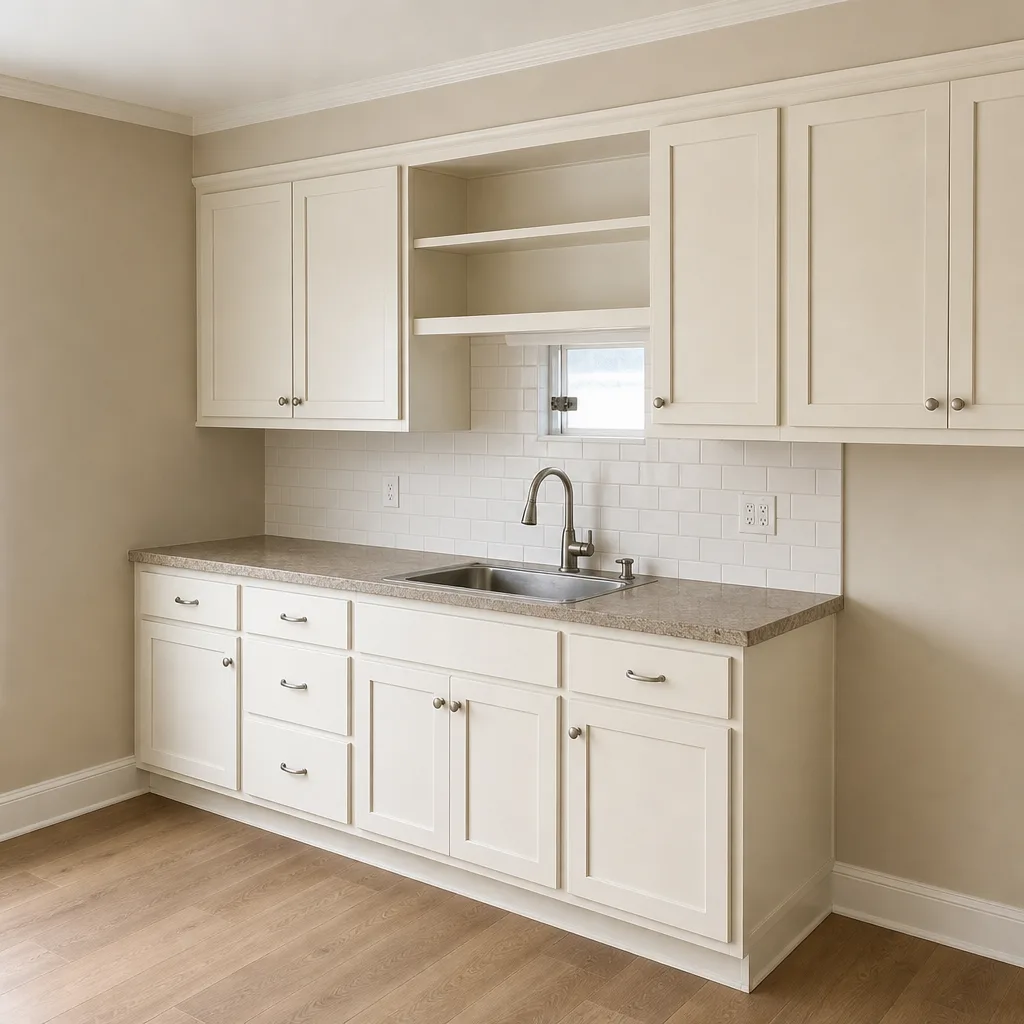 After
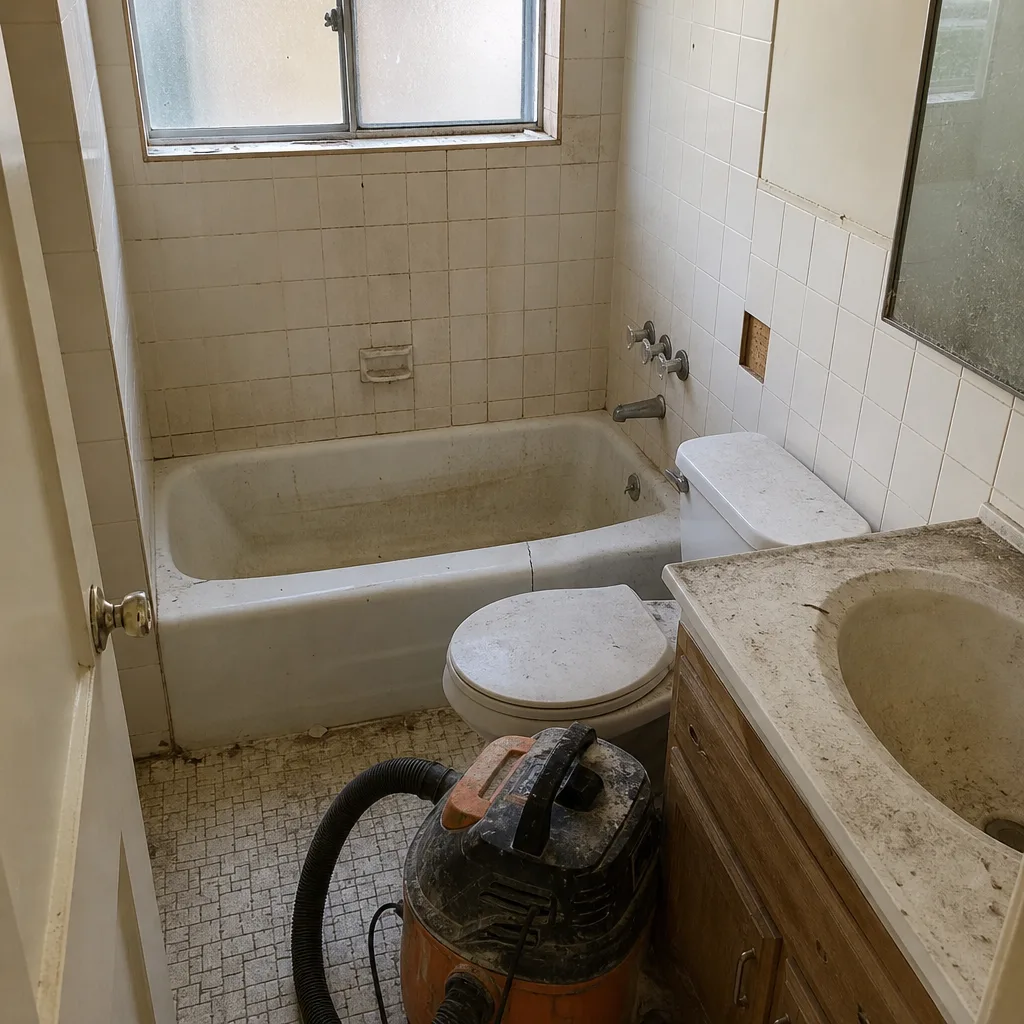 Before
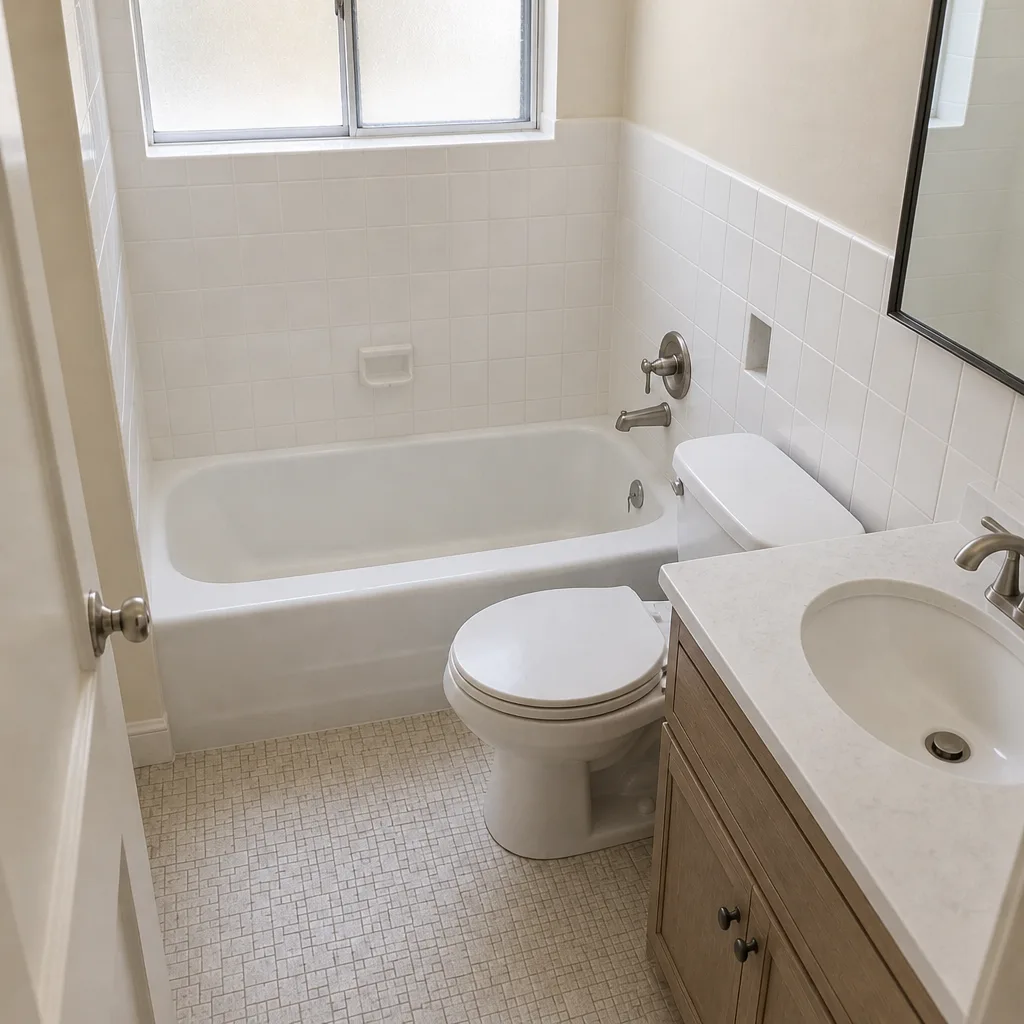 After
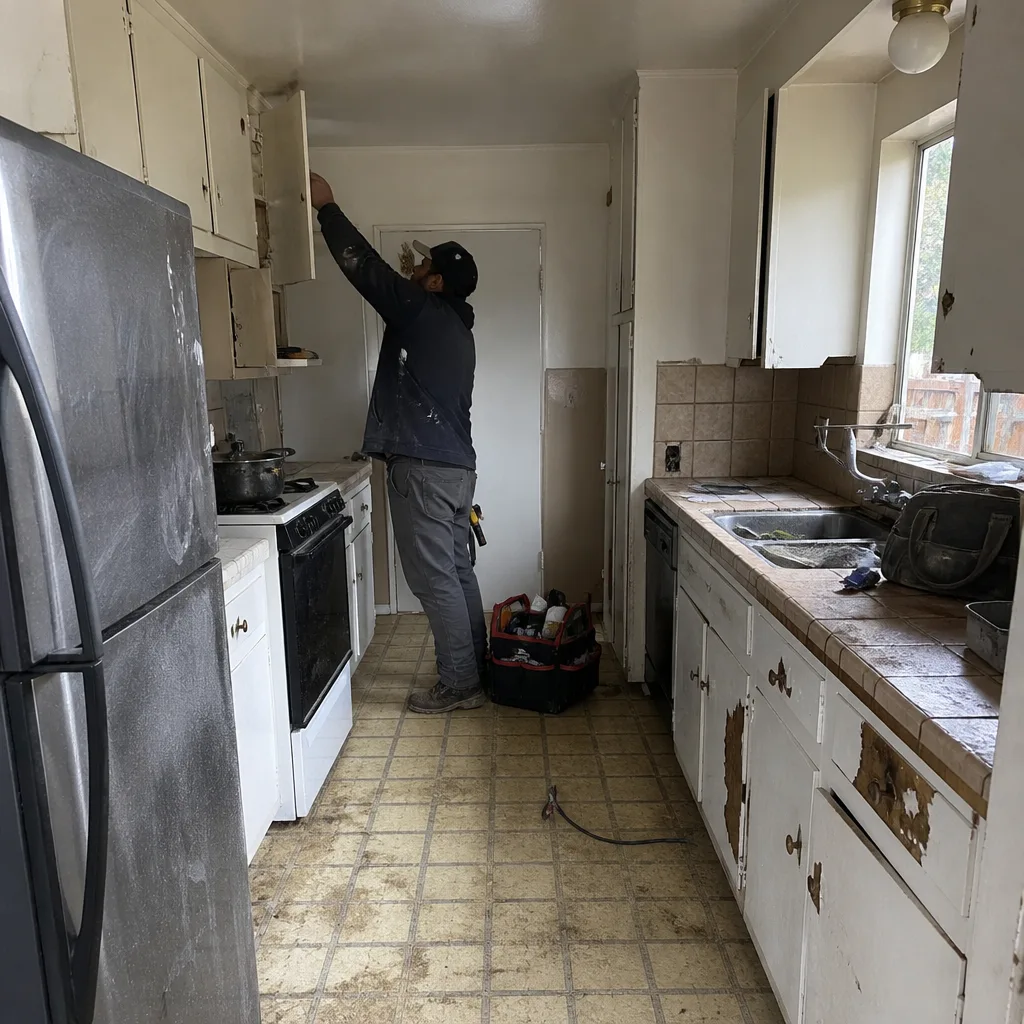 Before
 After
When to Call a Professional
Call a professional the moment your project touches structure, electrical, plumbing, gas, or the exterior envelope of the home – those are the areas where DIY isn’t a cost-saver but a risk transfer. Call when your project requires a permit under California law or local Sunnyvale code. Call when your project involves heights, roofs, or anything that could cause injury if done wrong. Call when your project could trigger a Santa Clara County disclosure issue at resale because the DIY outcome can’t be documented. And call when your project sits on the critical path of something larger – a kitchen, a bathroom, an addition – where the schedule disruption from DIY will cost more than the work itself would.
Construction Sunnyvale offers free estimates in Sunnyvale. Call (888) 255-9137. We answer 24/7. Fast dispatch from 7am to 7pm, Sunday through Friday.
Frequently Asked Questions
Only for work that doesn’t require a permit under Sunnyvale’s building code and doesn’t involve a licensed trade. Cosmetic work like painting, staining and basic landscaping is typically in that category. Anything structural, or that touches plumbing, electrical, gas or mechanical systems, requires a permit and a licensed contractor under California law.
You’ll need to disclose it in the Santa Clara County transfer disclosures, and buyers and their agents will price the risk into the offer. Either the buyer discounts for the risk, or they ask you to legalize before closing, which often costs more than a professional would have charged originally. Call (888) 255-9137 for a free estimate if you’re considering legalizing unpermitted work.
For most Sunnyvale homeowners, no – not once the permit and licensed trades are accounted for. A bathroom remodel touches plumbing and electrical, both of which require a permit and a licensed trade. The DIY savings tend to be limited to cosmetic finishes, and doing those yourself adds schedule risk even on a professional job.
Anything that adds livable square footage, touches the roof, involves the exterior envelope, or runs a regulated trade. That means home additions, ADUs, kitchen and bathroom remodels, roofing, window and door replacement in new openings, and electrical or plumbing work of any kind. Call (888) 255-9137 to talk through your project – estimates are free.
Ask the city’s building department directly. A short call answers it, and it’s the cleanest way to avoid finding out at resale. If you’re not sure who to ask, call us first – we can usually tell you in a few minutes whether a permit is likely, and we can help scope the project if it turns out you need one.
Yes, if the scope is documented in writing and the DIY portion stays off the critical path of the contractor’s schedule. Areas that work cleanly include approved demo, finishes scheduled after final inspection, and work on a physically separate part of the property. Anything that sits between two trades in sequence is where DIY usually backfires.
A written line-item estimate is what prevents surprise change orders. The written estimate sets the final price for the agreed scope. If a hidden condition appears once work begins – a soft subfloor under tile, a non-code electrical situation – the right contractor documents it and discusses it before proceeding, not after.
The Bottom Line
The DIY question in Sunnyvale comes down to three tests: does the work require a permit, does it involve a licensed trade, and could a mistake become a disclosure item at resale? If the answer is no to all three, DIY is a reasonable path and you’ll save real money. If the answer is yes to any of them, the professional route is almost always cheaper over the life of the home. Coasting on the assumption that “it’s my house” is where homeowners get burned. The law says otherwise, the market says otherwise, and the buyer’s inspector says otherwise.
The middle ground worth remembering: many Sunnyvale homeowners do benefit from a hybrid approach – a contractor for the permitted and trade work, the homeowner for finishes and cosmetic elements that come after the permit closes. That works, if the split is documented and the schedule is protected. It stops working the moment DIY work sits in the middle of the job.
Whether you’re adding square footage, reworking a kitchen or bathroom, replacing a roof, or finishing a fence line, the estimate is free and the scope is written down. Call (888) 255-9137. We answer 24/7. Fast dispatch from 7am to 7pm, Sunday through Friday. One contractor, every trade – from the roof to the driveway.
Written by the team at Construction Sunnyvale.