Last updated November 18, 2026

Free written scope consultation - allowances, timeline, and change-order rules on paper before a single trade is scheduled
Driveway & Pavers Maintenance Checklist for Sunnyvale Homeowners
Concrete driveways in the South Bay rarely fail because a truck was too heavy or the mix was wrong. They fail from the ground beneath them. Sunnyvale sits on expansive clay soils that swell with winter rain and shrink through the long dry season, and that slow flexing works on a slab or a paver field every single year. Most homeowners don’t notice until a panel has already heaved or a crack has opened wide enough to catch a hose. The good news: that damage leaves warning signs months before it becomes structural, and this checklist walks you through what to look for, when to act, and what maintenance actually matters in our climate.
Quick Answer
A driveway in Sunnyvale needs two focused maintenance passes a year: a pre-wet-season check in fall (October into early November) covering joint sand, sealing, and drainage, and a late-spring check after the rains stop covering cracks, settling, and UV-driven sealer wear. Between those passes, the single most valuable habit is confirming water drains away from the slab or paver field and away from the house. Concrete, asphalt, pavers, and natural stone each carry a different burden here, but all four are vulnerable to the same clay-soil movement and seasonal moisture swings.
Styles & brands we work with
- Kitchen remodeling
- Bathroom remodeling
- Home additions & ADU
- Roofing
- Windows & doors
- Driveway & pavers
- Fence
Table of Contents
- Why Sunnyvale’s Clay Soil Drives Most Driveway Damage
- Early Warning Signs Before a Crack Appears
- The Fall Checklist: Prep Before the Wet Season
- The Summer Checklist: UV, Sealer Wear, and Heat
- Concrete vs. Asphalt vs. Pavers vs. Natural Stone
- How Driveway Drainage Connects to Your Foundation
- When Maintenance Is Enough and When It Isn’t
- Common Mistakes to Avoid
Why Sunnyvale’s Clay Soil Drives Most Driveway Damage
Expansive clay is the defining soil condition across much of the Santa Clara Valley floor, and Sunnyvale properties sit right in it. Clay particles absorb water and swell, then release it and shrink as the ground dries through summer. That movement is measured in fractions of an inch, but it happens under the entire footprint of a driveway, and it happens every year. A rigid concrete slab has almost no tolerance for differential movement, meaning one section of subgrade lifting more than the one beside it.
What makes this tricky is the timing. Swelling happens during the wet season, when the ground is saturated and a slab may look perfectly fine. The visible damage often shows up in late summer, when the clay shrinks and the slab loses support underneath. That’s why a driveway that looked flat in February can show a new crack or a slight lip by August.
Two things make the movement worse on a Sunnyvale lot:
- Uneven watering. A lawn irrigated heavily on one side of the driveway and left dry on the other creates a moisture gradient, and the clay moves unevenly as a result.
- Poor drainage at the edges. Water that ponds along the slab edge or behind a retaining wall soaks into the clay and keeps one zone perpetually swollen.
The practical takeaway is that driveway maintenance in Sunnyvale is really moisture management. Control where water goes, and you control most of the force working against the surface. Ignore it, and the soil does what it does. If you’re planning a new surface rather than maintaining an old one, the base preparation matters far more than the finish material, which is worth keeping in mind when you compare options with a driveway & pavers contractor.
Early Warning Signs Before a Crack Appears
Heaving and settling almost always announce themselves before a crack opens. The signs are subtle, and they show up in the surface and the joints first. Walking your driveway once a month from spring through fall is enough to catch most of them early.
Look for these signals, in roughly the order they appear:
- New low spots that hold water. Puddles that linger more than a day after rain mark a panel that has settled relative to its neighbors.
- Hairline cracks at the corners and edges. Corner cracks are the classic early indicator of a slab losing support underneath.
- Joint separation. Widening control joints or gaps between paver units mean the base is moving.
- A slight lip between panels. Run a hand or a straightedge across a joint. Any step up or down is displacement.
- Sand washing out of paver joints. Missing joint sand lets water straight into the bedding layer.
- Efflorescence or white staining. A powdery white haze on concrete or pavers can signal moisture migrating through the material.
- Crumbling or spalling at the surface. Flaking at the top usually means water is getting in and the surface is failing.
Any one of these is a maintenance item. Two or more together, especially a low spot next to a widening joint, means the subgrade is actively moving and you want a professional look before the wet season arrives. Catching a settled panel early is a small repair. Catching it after a full winter of water intrusion is a much bigger one.
The Fall Checklist: Prep Before the Wet Season
November through March is when Sunnyvale gets most of its rain, and in a strong El Niño year that can mean concentrated downpours rather than a gentle spread. The ground has been dry for months, the clay has shrunk, and the first heavy storms hit a surface with open cracks and depleted joints. Fall is when you close those gaps.
Work through this before the first real storm:
- Clean every joint and crack. Sweep or blow out debris, then clear weeds and roots. Material only bonds to a clean surface.
- Refill paver joint sand. Joint sand is what locks the units together and keeps water from washing out the bedding layer. Top it off to roughly flush with the surface, then compact it in.
- Inspect and clear drainage. Channels, trench drains, and the grading at the apron should move water away from the slab and away from the house. Clear leaves and check that water flows toward the street or a designed low point, not toward the foundation.
- Seal where it’s warranted. A penetrating sealer on pavers slows water absorption. On concrete, a quality sealer helps resist surface water and UV. Seal only after the surface is clean and dry.
- Patch hairline cracks. Flexible crack filler keeps water out through the wet months, when freeze-free but wet weather still works on the subgrade.
- Check the edges and the apron. The transition from driveway to street takes the most abuse. Look for settling, crumbling, and gaps.
- Look at the downspouts. Every roof downspout should discharge well away from the driveway edge. One that dumps onto a paver field is a slow-motion problem.
Doing this in October or early November is far better than doing it in December after a storm has already pushed water under the surface. The wet season is when the soil does the most moving, so you want the surface sealed and the water directed before it starts.
The Summer Checklist: UV, Sealer Wear, and Heat
Sunnyvale summers are dry, bright, and long. That’s a great climate for being outside and a tough one for anything that sits in full sun and expands and contracts daily. UV breaks down sealers, dries out joint material, and stresses the surface. The summer checklist is about catching wear before the fall prep has to work around it.
Here’s what to check once the rains stop and again in mid-summer:
- Sealer wear. Water should bead on a sealed surface. Once it soaks in and darkens the material, the sealer has largely worn off and it’s time to reseal. In strong sun, pavers commonly need resealing every few years, concrete somewhat less often.
- Fading and surface oxidation. On exposed concrete and on natural stone, look for dull, chalky patches that signal the top layer is wearing thin.
- Weed growth in joints. Sun and irrigation water in the joints grows weeds fast, and roots push joint material apart.
- Widening cracks. Summer heat expands cracked panels, and the cracks widen. Fill them before they become water channels in fall.
- Irrigation overspray. Sprinkler heads aimed at the driveway waste water, stain the surface, and keep one edge of the soil permanently wet. Re-aim them.
- Shade and moss on north-facing surfaces. The shaded side of a driveway stays damp far longer than the sunny side during the wet months. That’s the zone to watch for moss and algae.
Summer is also the best time to reseal, because you get a reliably dry, warm window for the material to cure. It’s far easier to time that in July than to fight a wet October trying to get a sealer to set.
Concrete vs. Asphalt vs. Pavers vs. Natural Stone
The maintenance burden of a driveway depends far more on the material than on how much you walk on it. In Sunnyvale’s Mediterranean climate, each surface behaves differently. Here’s how they compare on what you’ll actually do to them.
- Concrete: The lowest routine maintenance. It resists UV well and doesn’t need sand or sealer to stay functional. But it’s rigid and brittle, so it cracks when the clay moves beneath it. Repairs are visible (patching never matches) and crack control matters. Reseal periodically to protect the surface.
- Asphalt: Flexible enough to tolerate some soil movement, so it cracks less dramatically than concrete. The tradeoff is ongoing care: asphalt needs regular sealing to fight UV and water, and it softens and can mar in summer heat. It ages faster than concrete in our sun.
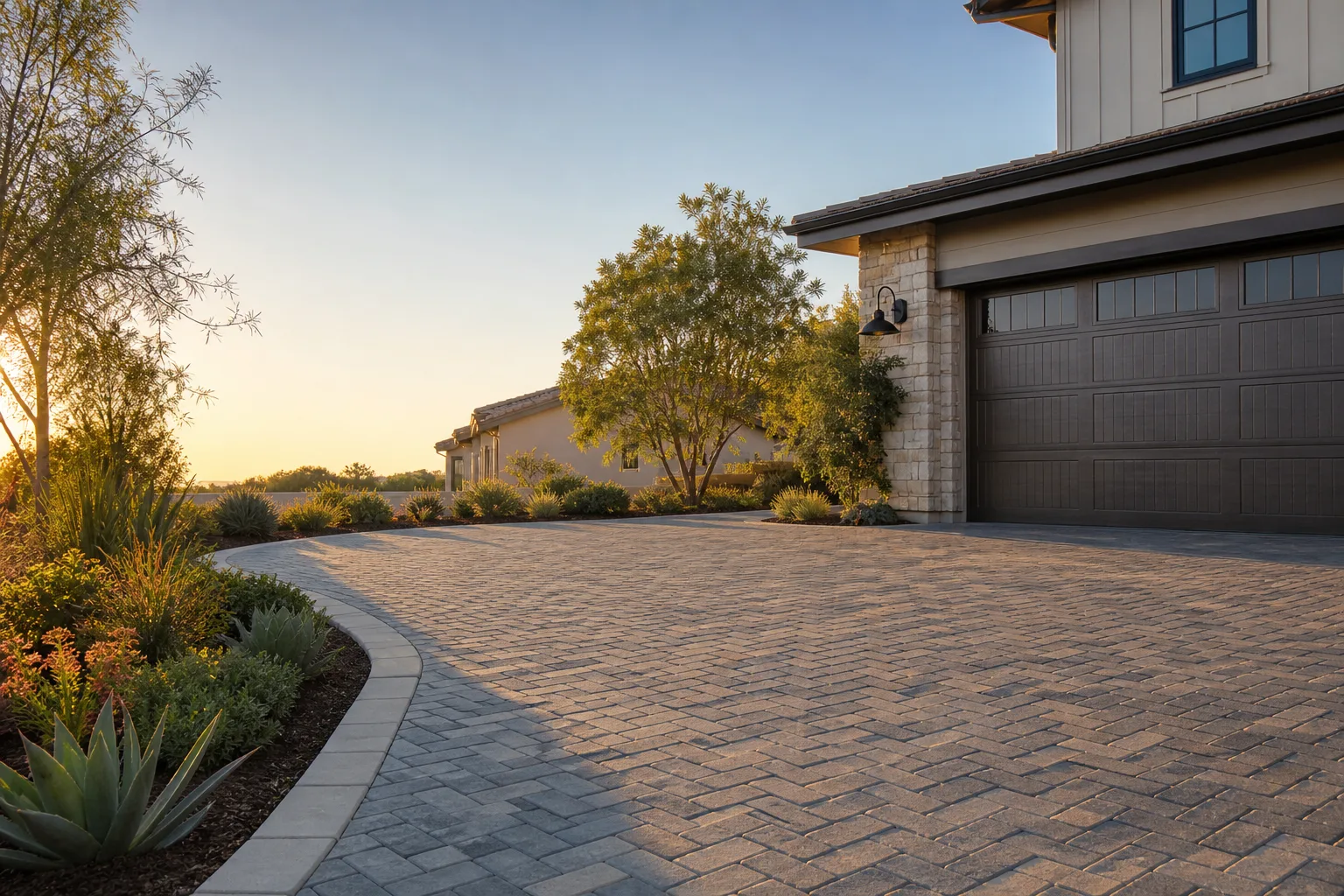
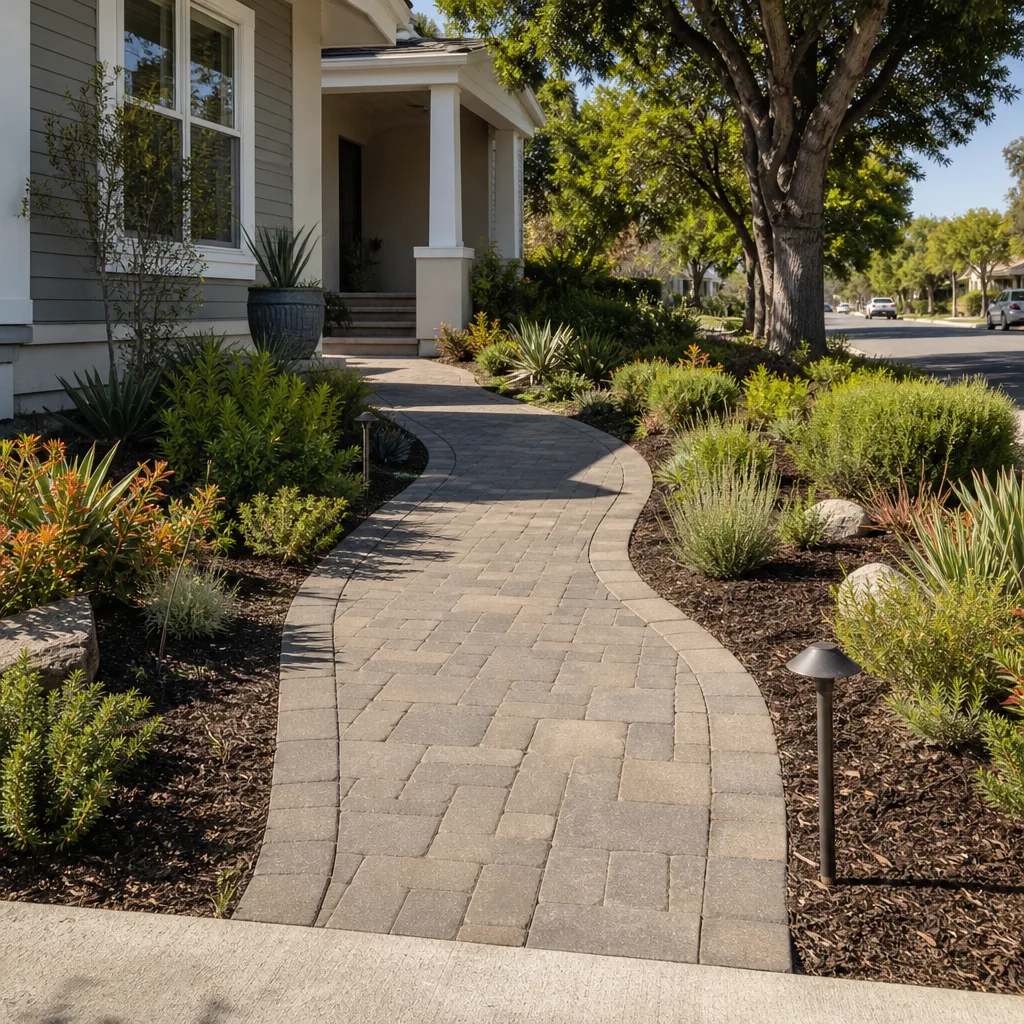
- Concrete pavers: The most serviceable option. Individual units can be lifted and reset when settling or soil movement occurs, and the joints let water pass through to the base. Higher routine effort, though: joint sand needs topping up, weeds need managing, and periodic resealing helps. The payoff is repairability. A settled section can be reset without tearing out the whole driveway.
- Natural stone: Beautiful and durable, but stone varies widely by type. Some stone is porous and stains, some handles sun well, some doesn’t. Expect sealing, occasional stain management, and careful attention to the bedding layer. It’s the highest-maintenance surface in a Sunnyvale climate, but also the most distinctive.
If you’re deciding between materials, think about the next ten years, not just day one. A paver field that can be reset will outlast a cracked slab in terms of look and long-term cost, even though it asks more from you along the way. The brands that matter here are the ones with proven track records in this climate, like Belgard, Unilock, and Techo-Bloc, and reputable hardscape work is worth hiring right the first time.
How Driveway Drainage Connects to Your Foundation
This is the part most maintenance guides skip. A driveway isn’t an isolated slab; it’s a large impermeable surface sitting next to your house. Where water goes at the driveway’s edges determines whether that water ends up against your foundation and into the soil under your home.
Two spots matter most:
- The apron. The low ramp where the driveway meets the street collects water and debris, and if it settles, it can hold water against the driveway rather than shedding it. A failed apron is a drainage problem disguised as a cosmetic one.
- The house side. The grading should slope the driveway surface and the soil edges away from the foundation, not toward it. Settled pavers or a sunken panel that tilts water toward the wall is a slow leak against your foundation.
Why does this matter so much in Sunnyvale? Because the same expansive clay that cracks your driveway sits under your foundation. Keeping the soil moisture even protects both. When one side of the house dries out or soaks in a pattern, the clay under the foundation moves with it. Water coursing off a neglected driveway edge into the foundation zone is exactly the kind of uneven moisture that creates foundation trouble.
So when you walk your driveway after a storm, follow the water. If it flows toward the house or pools against the wall, fix the grading or the drainage first. Everything else on this list is secondary to getting the water moving away from your home. A Construction Sunnyvale team handles that kind of grading and drainage correction as part of full driveway work.
When Maintenance Is Enough and When It Isn’t
Maintenance buys time and protects the investment, but it has a ceiling. Knowing where that ceiling is saves you from pouring effort and money into a surface that needs replacement.
Maintenance is enough when:
- Cracks are hairline and you can seal them before water gets in.
- Joint sand is low but the pavers themselves are stable.
- Settling is limited to a small area that can be reset.
- The surface is faded or the sealer has worn off, but the material beneath is sound.
It’s time to call a professional when:
- A large panel has heaved or the surface is clearly uneven over a wide area.
- Cracks are wide, active, and multiplying, which points to subgrade failure rather than surface wear.
- Pavers are rocking, or the field is settling in multiple places.
- Water is pooling against the house or the foundation zone.
- The base is failing. Resurfacing over a bad base just reproduces the original problem.
The honest test is the base. If the ground beneath the surface is moving and draining poorly, no amount of sealing or joint sand will fix it. That’s when a rebuild with proper base prep makes more sense than another round of patches.
Common Mistakes to Avoid
- Sealing too soon after rain. A surface that’s damp locks moisture in and the seal fails. Wait for a dry window, which in Sunnyvale means summer far more reliably than fall.
- Skipping the joint sand. Homeowners often fill cracks but forget the paver joints. Missing joint sand is what lets water into the bedding layer in the first place.
- Letting sprinklers overspray the driveway. It wastes water, stains the surface, and keeps the clay under one edge of the driveway perpetually wet. Re-aim the heads and you head off a lot of movement.
- Ignoring the apron. The transition at the street is the first thing to fail and the easiest to overlook. A settled apron becomes a water trap for the whole driveway.
- Fixing the surface without fixing the drainage. If water still flows toward the house, the crack will be back next winter. Solve the water first.
- Patching a single crack over a moving base. A flexible filler is temporary medicine. If the slab is moving, the crack returns.
- Replacing a whole driveway when a section can be reset. Pavers and some paneled concrete can often be repaired strategically rather than fully replaced, so get an assessment before committing to a rebuild.
When to Call a Professional
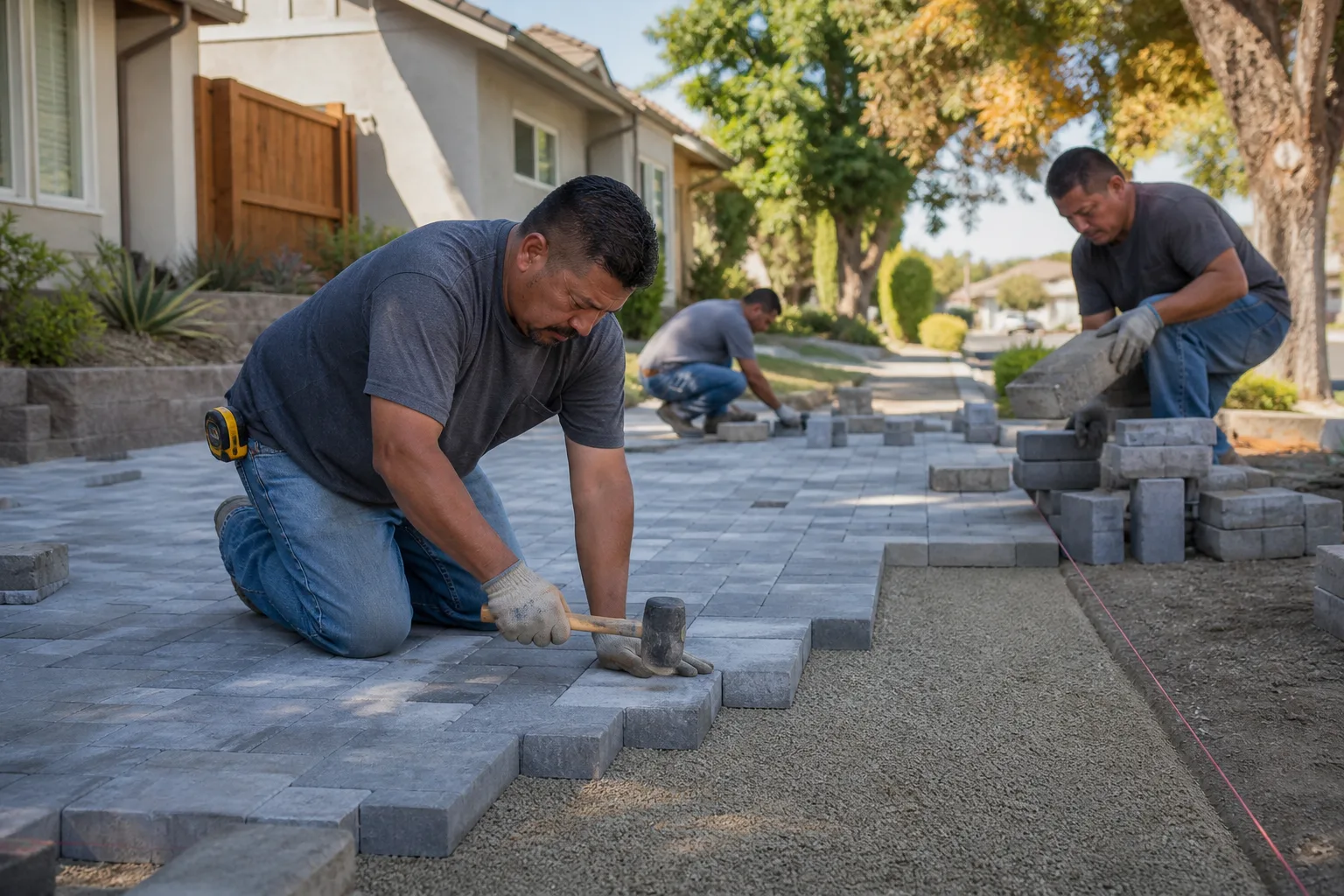
Call a professional when the surface is past surface wear and the base is the problem. That means broad settling, heaving, active and multiplying cracks, rocking pavers, or water pooling against the house. Those conditions need more than a maintenance pass; they need the subgrade addressed, the base rebuilt correctly, and the drainage corrected. Trying to seal or patch over a moving base costs more in the long run than an honest repair.
If you’re at that point, it also pays to think bigger. A driveway project that is already tearing up the ground is the natural time to plan related exterior work, like a fence installation, so one crew coordinates site drainage and grading across your whole property instead of two separate ones solving overlapping problems. Construction Sunnyvale offers free estimates in Sunnyvale. Call (888) 255-9137 to schedule yours.
See the difference
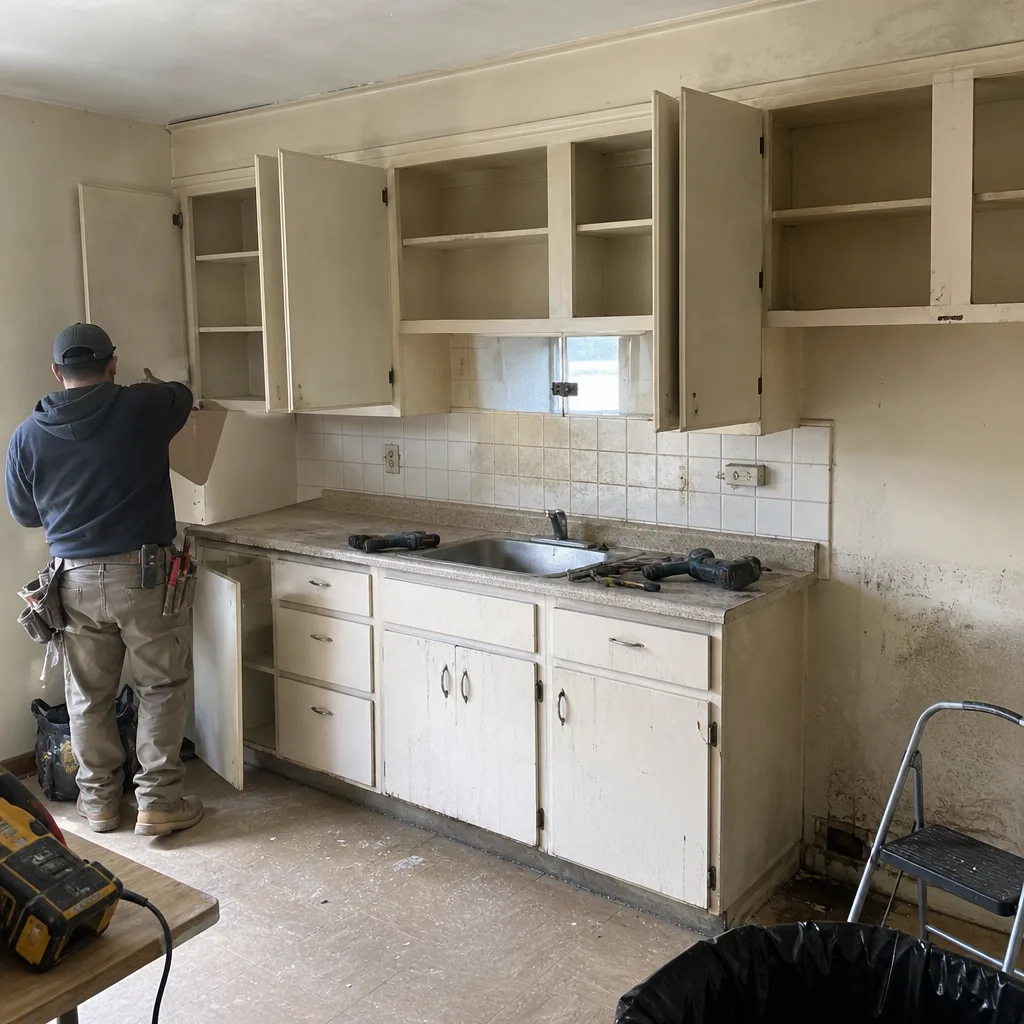 Before
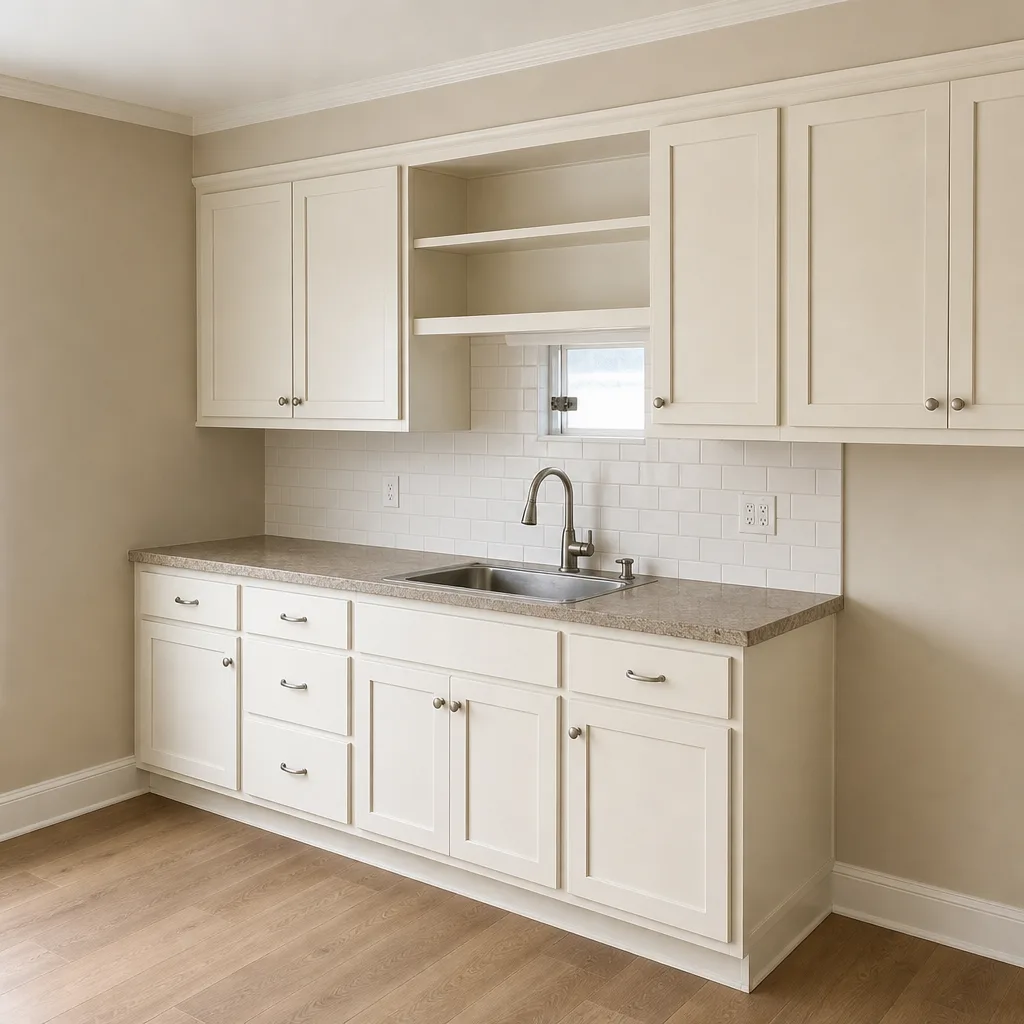 After
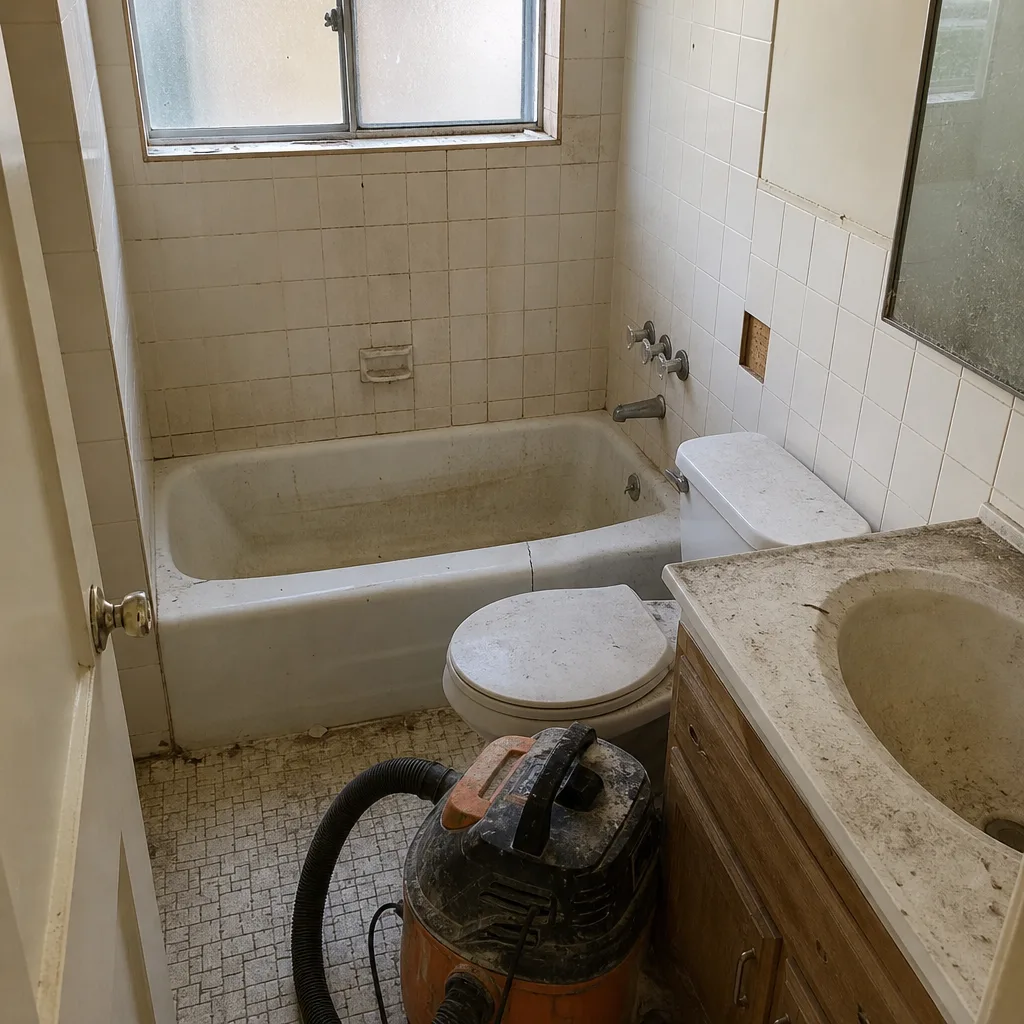 Before
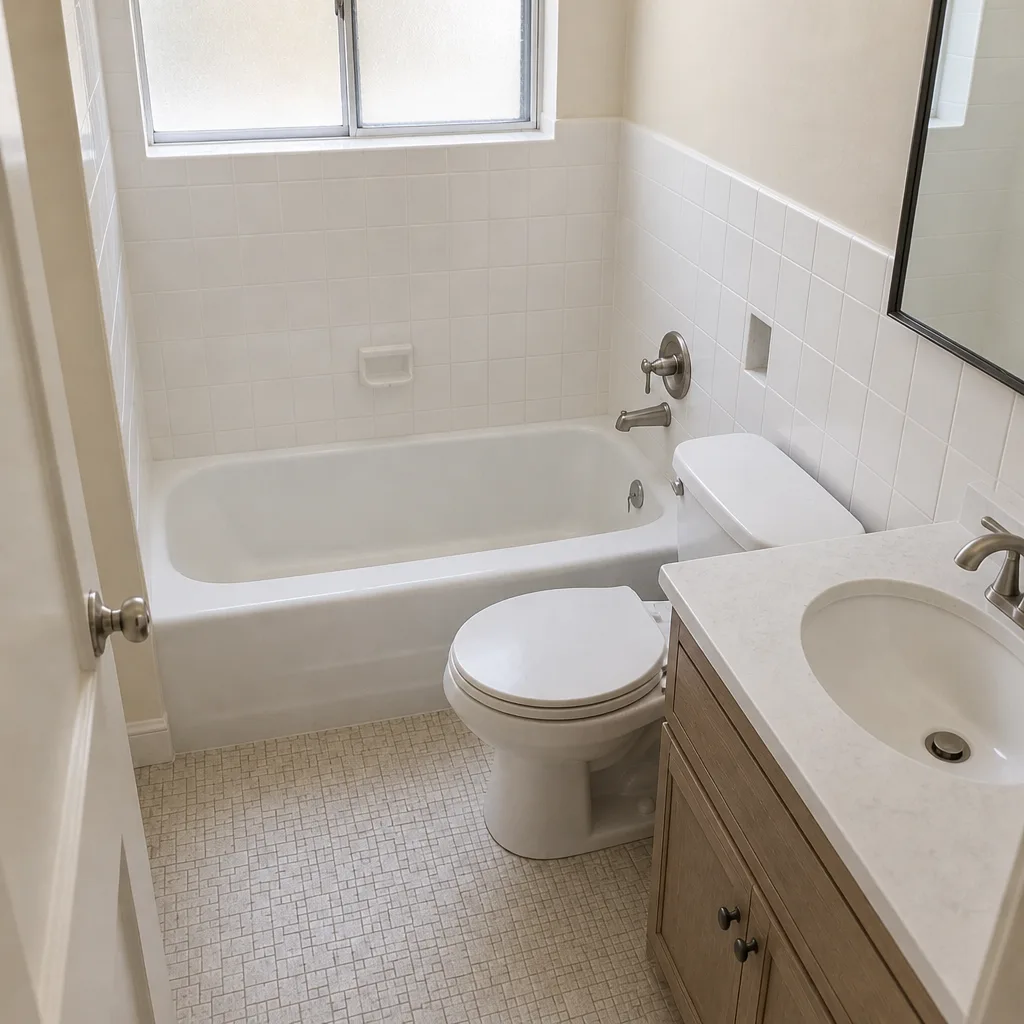 After
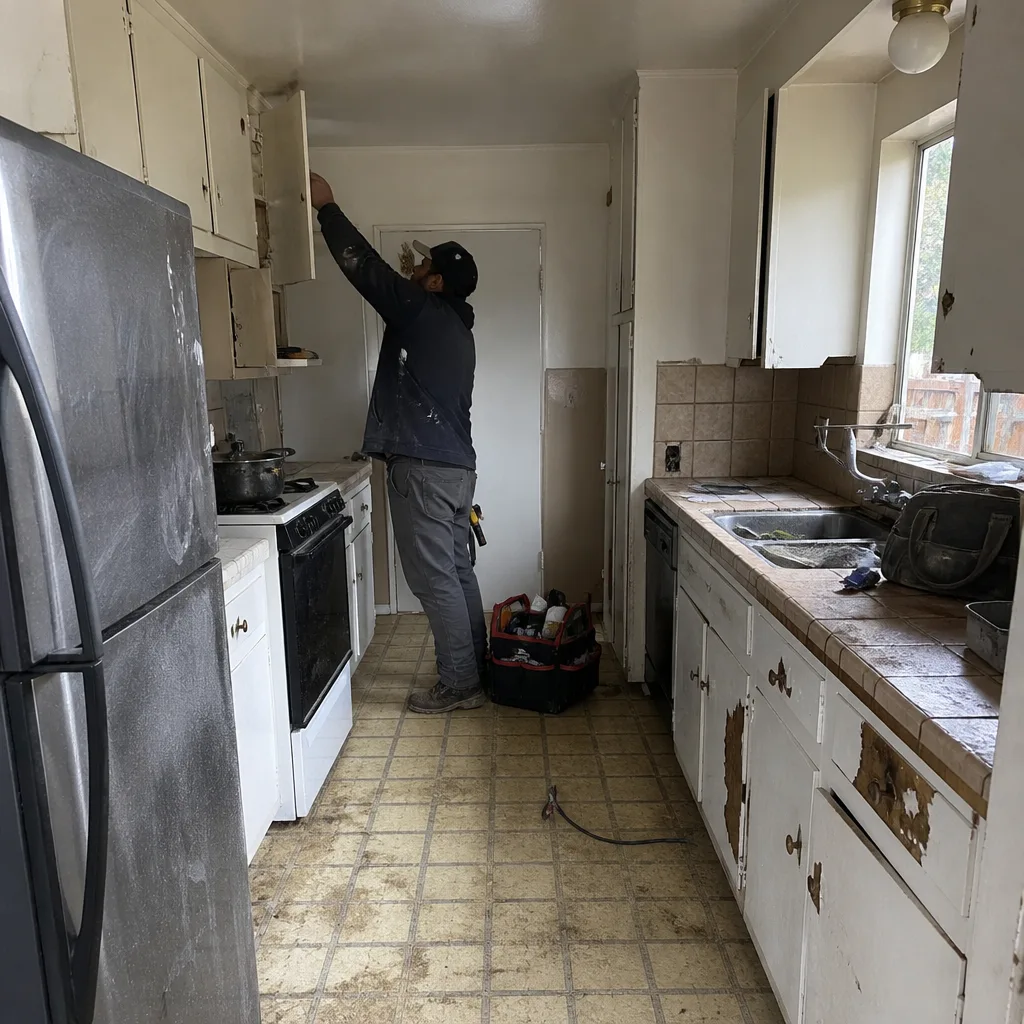 Before
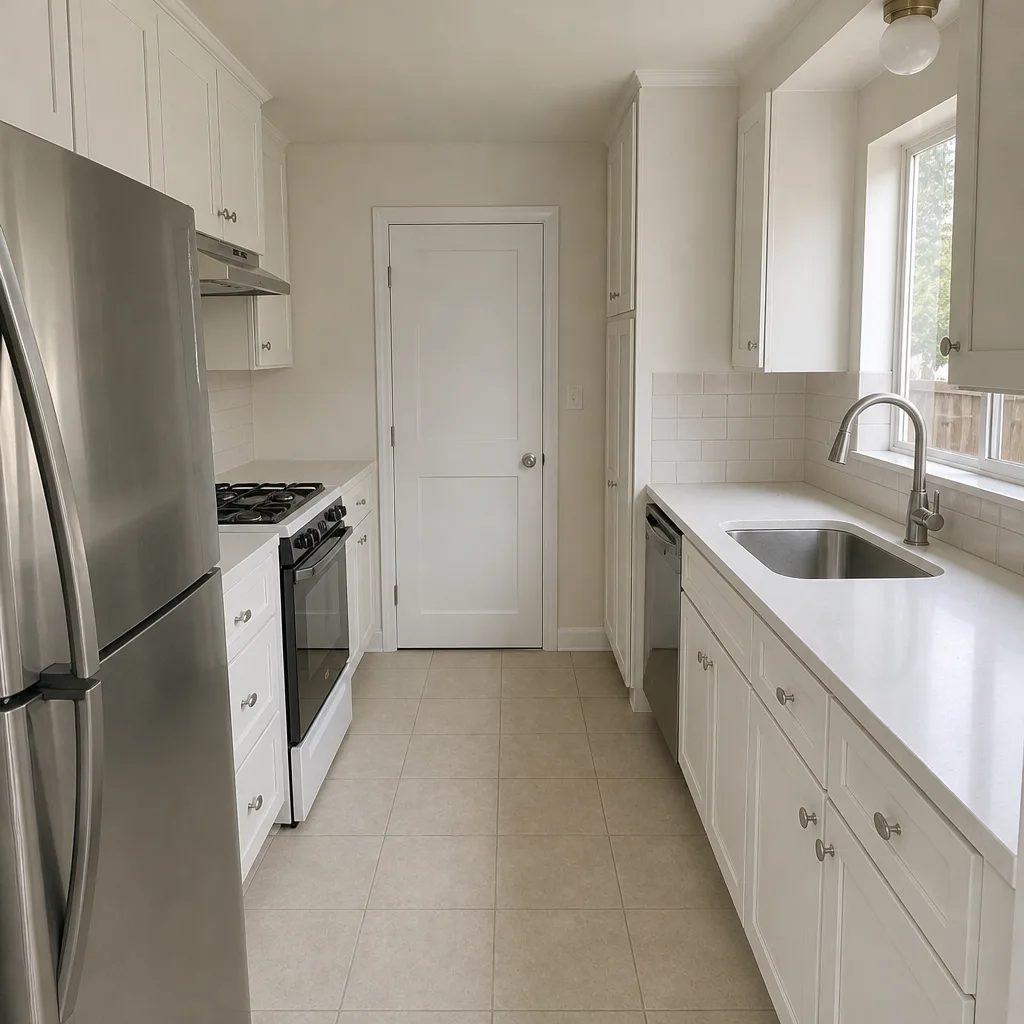 After
Frequently Asked Questions
Plan on resealing every few years, judged by how the surface behaves rather than a fixed calendar. When water stops beading and starts soaking in, the sealer has largely worn off. Our strong summer sun breaks sealers down faster than in cooler climates, so summer is the practical window to get a clean, dry reseal.
Most cracks come from the clay soil beneath the slab moving, not from what’s parked on top of it. Seasonal swelling and shrinking of expansive clay leaves the slab unsupported in places, and it cracks at those weak points. Controlling moisture at the edges and sealing hairline cracks early is the best defense.
Clean and fill every joint and crack, top up the paver joint sand, check that drainage channels and grading move water away from the slab and the house, and seal if it’s due. Get this done in October or early November, before the rain starts, because the wet months are when the ground moves most.
Often, yes. A paver field or a localized panel can frequently be reset rather than ripped out entirely, provided the base can be corrected in that area. Whether it’s worth it depends on how much is moving and whether the drainage has been addressed. An assessment tells you which path makes sense.
Yes. The driveway directs a huge amount of rainwater, and where it goes determines whether the clay under your foundation stays evenly moist or dries on one side and soaks on the other. A graded, settled, or failed apron that pushes water toward the house is a foundation problem waiting to happen.
Concrete needs less routine work, while asphalt needs more frequent sealing to hold up against UV and water. Neither tolerates clay movement perfectly: concrete cracks when the soil displaces, and asphalt ages faster. Pavers ask the most routine effort but are the easiest to repair, which is often the deciding factor.
The Bottom Line
Most driveway damage in Sunnyvale traces back to the clay soil and the wet-dry swing, not to traffic. Manage the water and you manage the damage. Do the fall prep before the storms hit, watch for sealing and joint wear through the summer, keep the edges and apron draining away from the house, and read the early signs (low spots, joint separation, hairline cracks) rather than waiting for a panel to heave. The material you choose sets your maintenance burden, but repairability matters as much as looks. When the base is moving, stop maintaining and get it assessed.
One Contractor, Every Trade
Driveway and paver work rarely stays neatly in its own lane. Once the ground is open and drainage is being corrected, homeowners often want the fence line, the roofline, or even a new addition addressed in the same coordinated plan instead of hiring a string of separate trades. That’s where a full-scope approach pays off. From the roof to the driveway, we handle roofing, windows and doors, fencing, driveways and pavers, bathroom remodeling, kitchen remodeling, and additions and ADUs under one contractor, so there are no subcontractor handoffs on your most important projects.
Paving work draws on proven brands like Belgard, Unilock, and Techo-Bloc, and roofing can be specified from leaders like CertainTeed or Owens Corning. When it comes to adding square footage, we work in both site-built construction and prefab options, so you can build the ADU that fits your timeline and lot. Explore our home additions & ADU work if the driveway project turns into a bigger plan for the property. Our technicians have up to 10 years of experience.
Call (888) 255-9137 for a free estimate. We answer 24/7. Fast dispatch from 7am to 7pm, Sunday through Friday, closed Saturday. Every estimate is a written line-item quote, and the written estimate sets the final price.
Written by the team at Construction Sunnyvale.