Last updated November 18, 2026
Free written scope consultation - allowances, timeline, and change-order rules on paper before a single trade is scheduled
Construction Cost Breakdown: The Sunnyvale Homeowner’s Reference for 2026
Two contractors look at the same Sunnyvale lot and quote an ADU at $450 per square foot and $280 per square foot. Neither number is wrong on its face, and neither means anything until you know what sits inside it. That gap is how scope holes open up, how change orders appear halfway through framing, and why homeowners who thought they had a fixed budget end up renegotiating. This guide fixes the problem with specifics: real 2026 cost ranges for the projects Sunnyvale homeowners actually build, a line-item look at where the money goes, and the local costs most bids leave off entirely. You’ll leave knowing how to read a bid, not just compare a total.
Quick Answer
Typical 2026 residential construction costs in Sunnyvale run roughly $150 – $275 per square foot for a mid-grade kitchen remodel, $350 – $550 per square foot for an ADU, and $12 – $22 per square foot for a full roof replacement, depending on scope, materials and site conditions. Labor in Santa Clara County runs meaningfully above the state average, so statewide cost guides consistently understate what a Santa Clara County bid actually looks like. The written, line-item estimate is the number that matters; every figure here is a planning benchmark, not a quote.
Styles & brands we work with
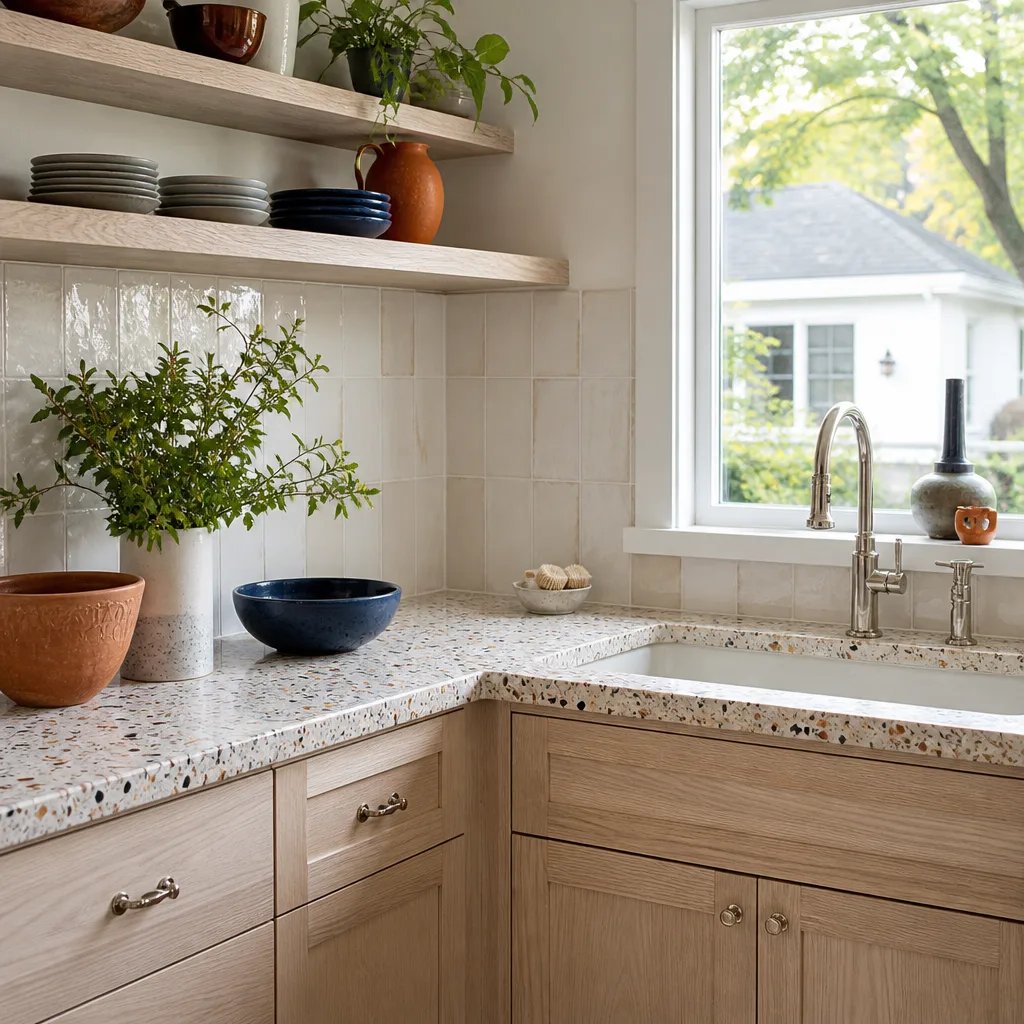
- Kitchen remodeling
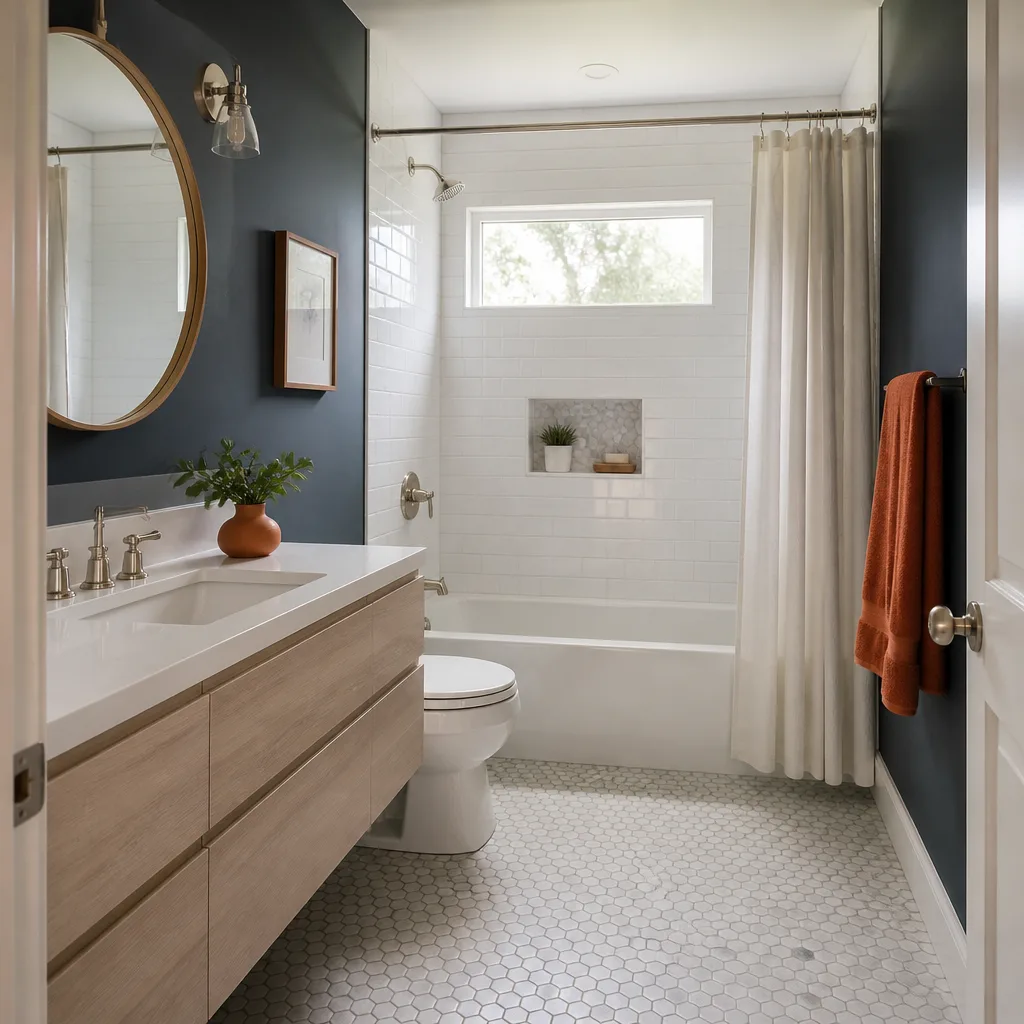
- Bathroom remodeling
- Home additions & ADU
- Roofing
- Windows & doors
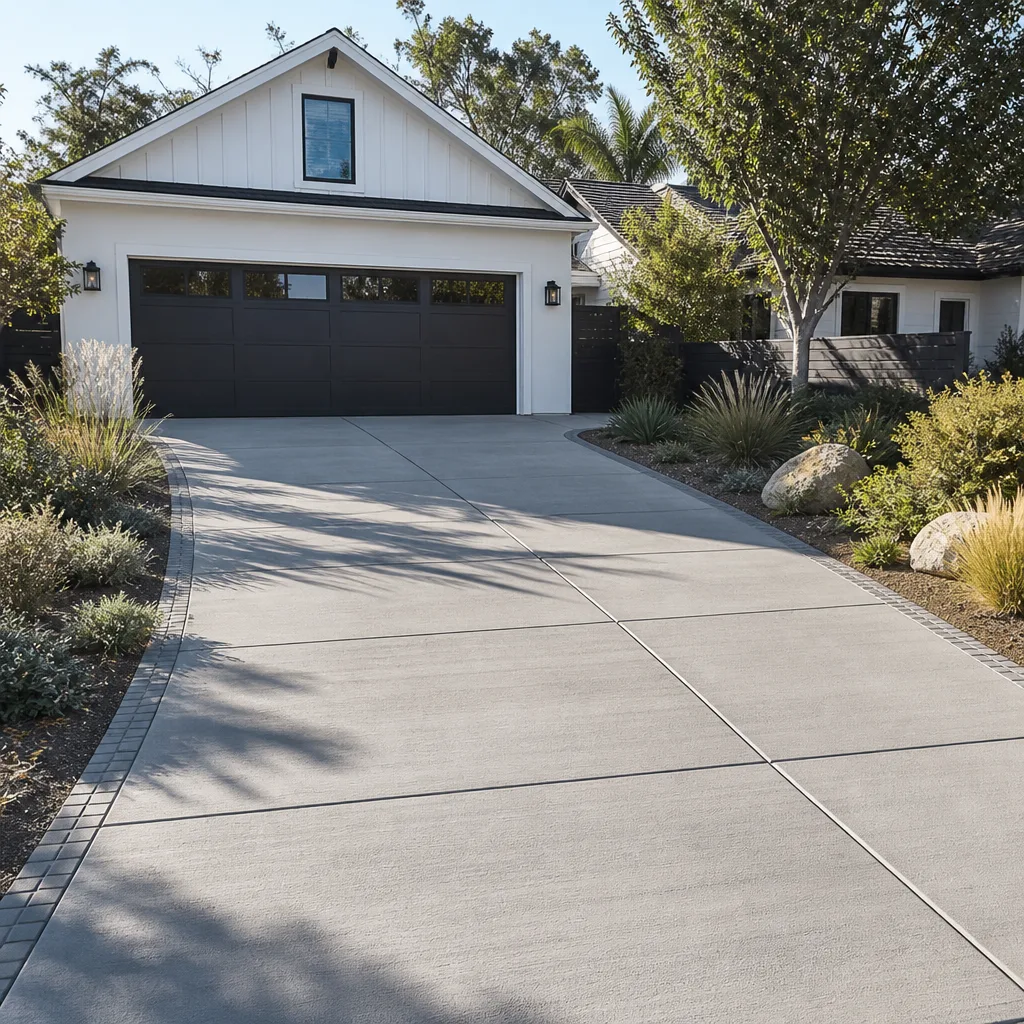
- Driveway & pavers
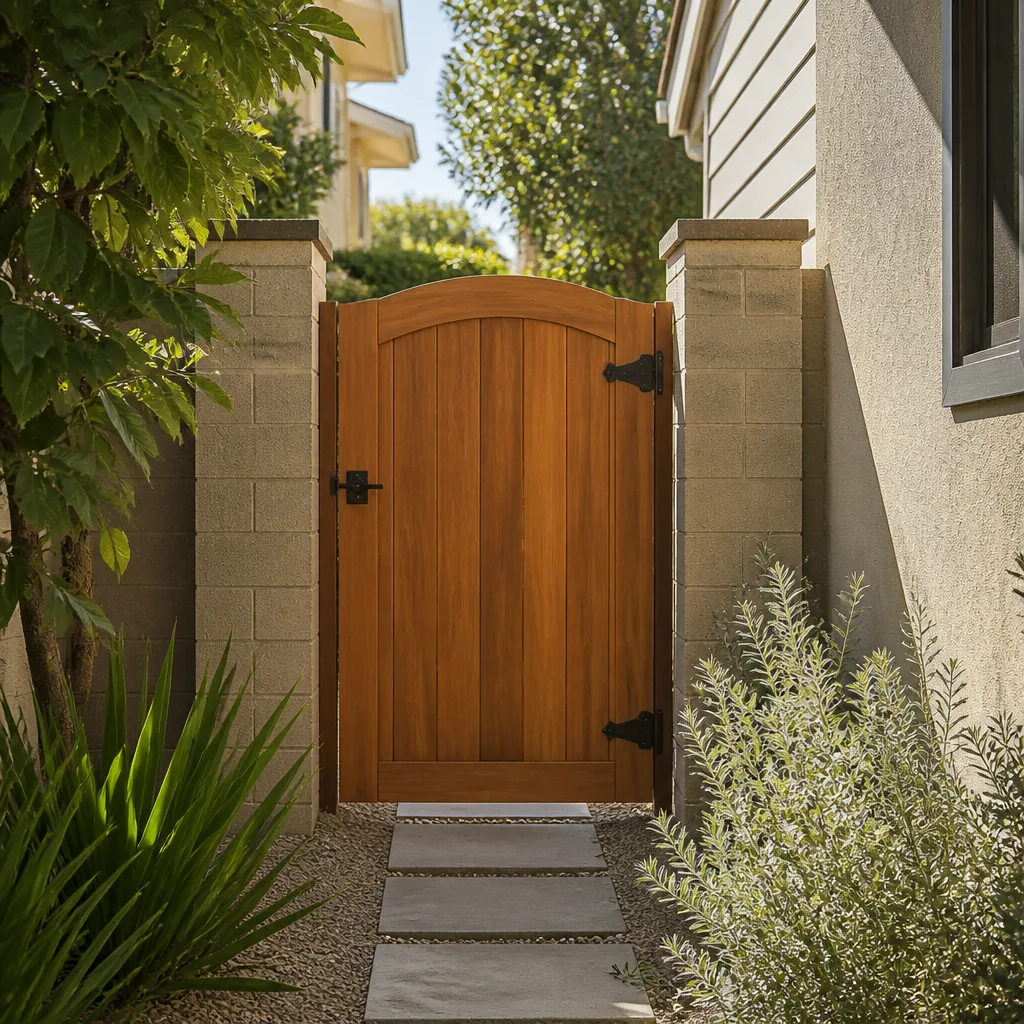
- Fence
Table of Contents
- Why Santa Clara County Costs Diverge From California Averages
- ADU and Home Addition Costs in Sunnyvale
- Kitchen Remodel Costs in Sunnyvale
- Bathroom Remodel Costs in Sunnyvale
- Roof Replacement Costs in Sunnyvale
- Driveway and Paver Costs in Sunnyvale
- Where the Money Goes: A Line-Item Breakdown
- The Hidden Costs Sunnyvale Homeowners Miss
- How to Use Cost Benchmarks to Verify a Bid
- Common Mistakes to Avoid
Why Santa Clara County Costs Diverge From California Averages
Statewide construction cost guides blend cheap inland markets with expensive coastal ones. The result is an average that describes no single place, and it consistently understates a Santa Clara County bid. Labor rates, permit volume, inspection timelines and material logistics all push costs higher here than the state mean. When a statewide guide says a kitchen remodel runs a certain figure, that figure is often a central-valley number, not a Sunnyvale one.
Sunnyvale’s housing stock adds its own layer. Much of the city was built out in the decades after the Second World War, and the ranches and split-levels of that era carry predictable quirks: undersized electrical service, single-pane aluminum windows, and slab foundations with no accessible crawlspace. Any remodel that touches walls or systems on an older home runs into updates the original build never anticipated. A contractor who has priced Sunnyvale work before will flag these upfront. One who hasn’t will call them change orders later.
That is why Construction Sunnyvale treats local pricing as its own discipline. Our technicians have up to 10 years of experience, and that experience shows up in estimates that account for the housing stock and inspection realities of this market, not a statewide spreadsheet.
ADU and Home Addition Costs in Sunnyvale
An accessory dwelling unit in Sunnyvale typically lands between $350 and $550 per square foot for site-built construction, with a full home addition running $400 to $600 per square foot depending on structural complexity. Prefab units can compress the build timeline and simplify some trades, but the site work, foundation, utility connections and permits still reflect Sunnyvale’s market. Neither path is automatically cheaper; they fail in different ways.
The ADU decision splits neatly into two broad options, and both are valid:
- Site-built construction gives you full design control over footprint, roofline and interior layout, and it’s the right call when the unit needs to match the main house or fit an unusual lot.
- Prefab units from names like Abodu, Dvele, Mighty Buildings, Boxabl and Plant Prefab shorten the on-site window and fix more of the cost upfront, but site prep, foundation and utility runs are still separate from the unit price.
Our home additions & ADU work spans both paths, which matters because the honest answer for most Sunnyvale lots is “it depends on your setback and your utility service.” A corner lot with an existing detached garage behaves nothing like an interior lot with a tight rear yard. Before you compare per-square-foot numbers, confirm what each estimate includes: foundation type, utility trenching, design and engineering, and whether permit fees are inside or outside the total. We’ve seen quotes swing widely simply because one contractor bundled site work and the other left it as a “to be determined” line.
Kitchen Remodel Costs in Sunnyvale
A mid-grade kitchen remodel in Sunnyvale typically runs $75,000 to $130,000 for a full gut, while a cosmetic refresh with new surfaces and fixtures can land between $25,000 and $50,000. The spread comes down to one question: does the layout change? Moving a sink or range means new plumbing and electrical, and in Sunnyvale’s older homes that work surfaces the service panel question immediately.
Cabinet and surface choices drive the next largest swing. Builder-grade cabinetry can undercut a job by tens of thousands, but it shows in door alignment and finish within a few years. Curated brands like KraftMaid and Wellborn sit in the middle of the market and hold up; Cambria, Silestone and Caesarstone surfaces land in similar territory. Fixtures from Kohler, Moen, Toto and Grohe are the ones you’ll actually live with daily, and specifying them by name keeps a bid honest rather than vague.
Practical cost tiers to keep in mind:
- Cosmetic refresh (paint, surfaces, fixtures, appliances): roughly $25,000 – $50,000
- Mid-grade full remodel (cabinets, surfaces, layout refresh, lighting): roughly $75,000 – $130,000
- High-end with layout change and structural work: $130,000 and up
A kitchen remodel is rarely just a kitchen; it’s usually the moment a homeowner discovers the wiring or plumbing behind the wall. A contractor who prices that discovery in advance saves you the surprise.
Bathroom Remodel Costs in Sunnyvale
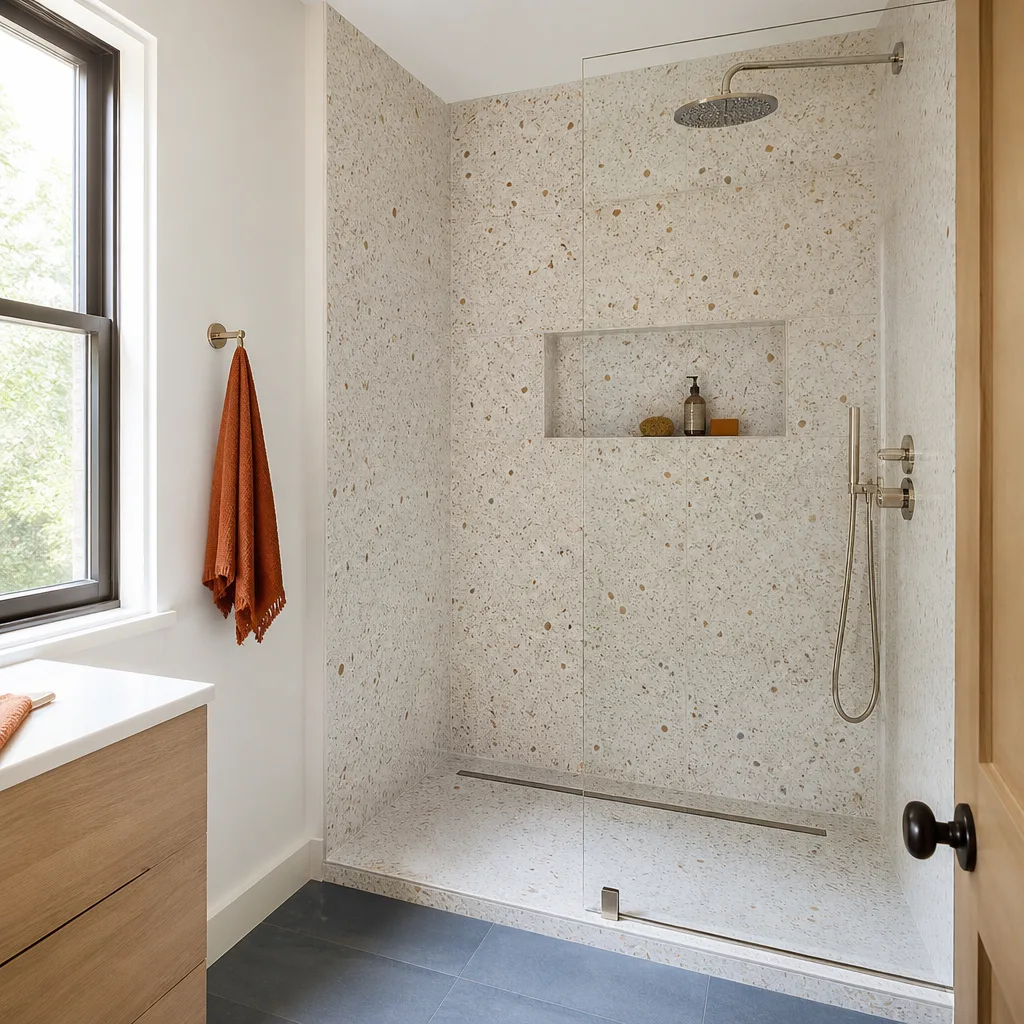
A full bathroom remodel in Sunnyvale typically costs $28,000 to $55,000, with a half-bath or powder room running $12,000 to $22,000. These numbers assume a mid-grade finish: new tile, a vanity, a tub or shower replacement, and updated fixtures. High-end work with custom tile and brand-name fixtures climbs above $55,000.
Bathrooms are the highest-cost-per-square-foot room in the house, and water management is why. Every bathroom remodel involves waterproofing, and in Sunnyvale’s older housing stock that means replacing a decades-old drain assembly and checking the substrate beneath the tile. Slab foundations mean plumbing corrections are more involved than they would be with a crawlspace.
Where the budget goes:
- Tile and waterproofing often represent the single largest line item
- Fixtures vary widely, from stock to premium brands like Kohler and Grohe
- Ventilation upgrades are frequently required by code and often forgotten in estimates
Our bathroom remodeling is scoped from the walls out, which means the electrical, plumbing and waterproofing are all part of the estimate rather than a surprise addition once the old tile comes down. That’s the difference between a bid that holds and one that grows.
Roof Replacement Costs in Sunnyvale
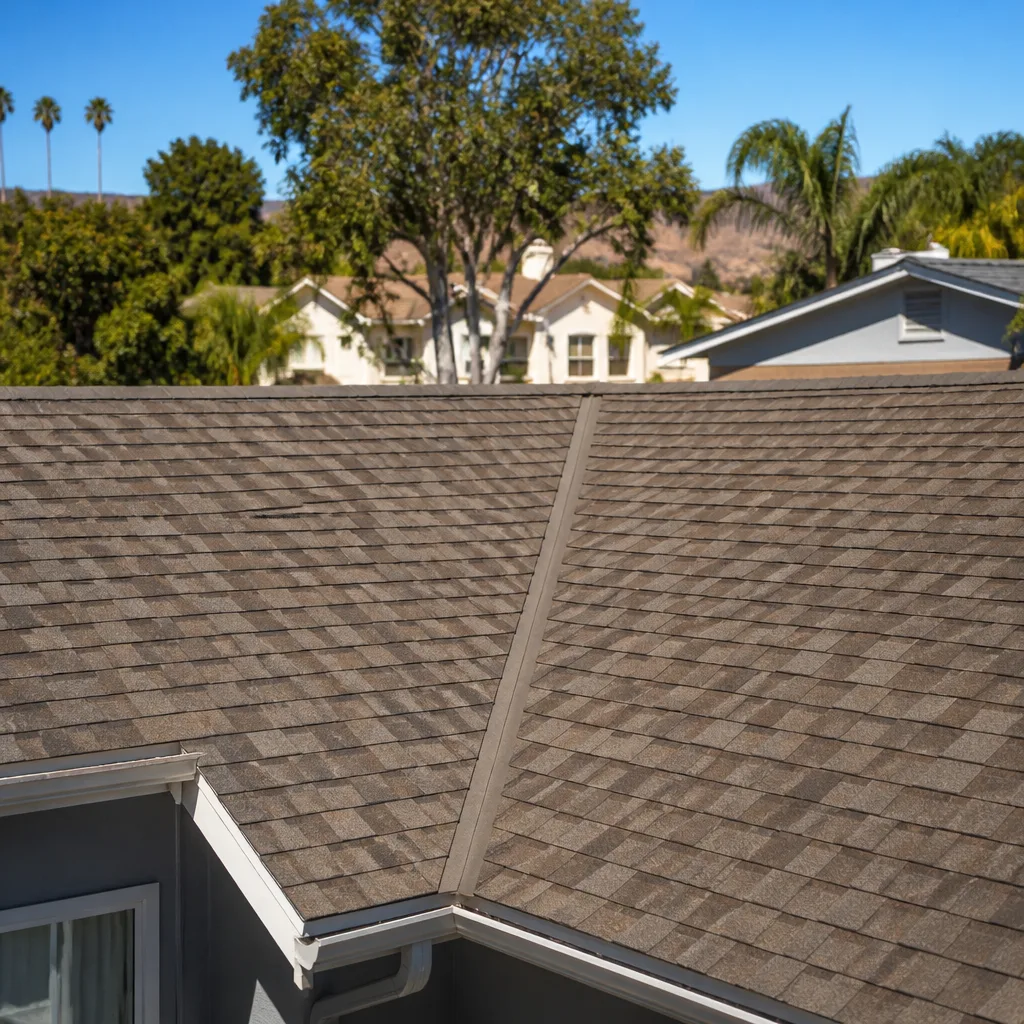
A full roof replacement in Sunnyvale typically runs $12 to $22 per square foot installed, with a typical single-family home landing between $18,000 and $32,000. Material choice and roof complexity (number of planes, penetrations, dormers) drive most of the variance. A simple composition shingle roof on a ranch sits at the low end; a complex roof with multiple valleys and skylights sits at the high end.
Material options from six leading manufacturers are on the table: GAF, CertainTeed, Owens Corning, IKO, Atlas and Tamko for asphalt systems, and Boral for tile. Each manufacturer’s warranty tiers differ, and the installer’s certification matters as much as the shingle. A GAF-certified installation and an uncertified one may use the same product and land very different warranty outcomes.
Sunnyvale’s climate is mild, but that doesn’t make roofing simple. A low-slope or flat section needs a different membrane than a pitched section, and that mixture often shows up on Sunnyvale homes built in the mid-century decades. Get a written scope that lists the membrane, underlayment, flashing and ventilation line by line. Roofing is one of the places where the cheapest bid costs the most later, and where a poorly ventilated attic accelerates wear on the entire assembly. Never attempt roofing work yourself on a pitched roof; that is a trained professional’s job.
Driveway and Paver Costs in Sunnyvale
A new paver driveway in Sunnyvale typically costs $18 to $32 per square foot installed, meaning a standard two-car driveway lands between $9,000 and $18,000 depending on site prep and paver selection. A poured concrete driveway runs less per square foot but offers fewer repair options and cracks over time. Pavers let you lift and reset a section if a utility line has to be dug up underneath; concrete means demolition.
Paver selection drives a wide range. Brands like Belgard, Unilock, Tremron and Techo-Bloc offer the industry’s most recognized interlocking and segmental systems, and the visual difference between budget pavers and premium ones is obvious in five years. Permeable systems, which let water drain through the joints, are a smart fit for lots where stormwater control matters.
Base prep is the part of the driveway bid most homeowners don’t read. A driveway that fails in three years almost always failed at the base, not the surface. Ask what depth of aggregate base the estimate specifies.
For a fuller look at how to think through options, our driveway & pavers service covers the material and installation detail. Fence work follows a similar logic on the exterior side; our fence installation service handles aluminum, vinyl, steel and ornamental styles from manufacturers like Master Halco, Ameristar and Jerith.
Where the Money Goes: A Line-Item Breakdown
Every construction bid, in Sunnyvale or anywhere, decomposes into four broad buckets: labor, materials, permits and fees, and contractor overhead and margin. The proportions shift by project type, but for a typical mid-grade project in this market, expect something like the following distribution. These aren’t exact percentages for every job; they’re a mental model for reading a bid.
- Labor (roughly 40%): the trades on site, foreman time, and finish carpentry. Higher on remodels of older homes where existing conditions slow the work.
- Materials (roughly 30-35%): the products specified. This is where brand choices make the biggest difference, and where vague line items hide the most.
- Permits and fees (roughly 5-10%): the city permit, plan check, and any school district fees for the project type. Higher for ADUs.
- Overhead and contractor margin (roughly 15-20%): the cost of running a construction business, including insurance, administration, and profit. A bid with zero margin on paper is a bid that will find it later.
A bid structured this way is easy to read and easy to compare. A bid that lists a single total with a note about finishes is not.
The Hidden Costs Sunnyvale Homeowners Miss
The line items that appear after construction starts, in Sunnyvale’s market, are surprisingly consistent. Here are the ones we see most often left out of initial estimates:
- Utility service upgrades. Older Sunnyvale homes often have undersized electrical service or a gas line that can’t support an ADU or a major addition. Upgrading means coordinating with the utility provider, and it often means trenching. This is significant money and it rarely appears on an initial estimate.
- School district fees for ADUs. Adding livable square footage can trigger per-square-foot fees tied to the school district, separate from the building permit. These fees are sometimes estimated by a contractor who hasn’t added an ADU in the district recently; ask for them in writing.
- Temporary housing during displacement. A full kitchen remodel or major addition can push a family out of their home for weeks or months. That rent or relocation cost is real, and should be part of the total budget, not a footnote.
- Landscaping restoration. Construction crews need access, staging and material delivery. Lawns, irrigation and plants along the access route often need restoration after the work is done. A bid that doesn’t mention this is a bid that leaves the restoration to you.
- Design and engineering. Structural changes, ADUs and additions require engineered plans and plan check. The design side of the project is often the largest “first cost” a homeowner underestimates.
How to Use Cost Benchmarks to Verify a Bid
Benchmarks are not for finding the cheapest bid. They’re for spotting the bid that’s too low to be complete, or the one that quietly omits something you’ll pay for later. The goal is to compare scope, not totals.
Follow these steps before signing:
- Write down the scope you expect. List what must be included: materials by brand, demolition and disposal, permits, utility work, and cleanup.
- Line up every bid against that list. Any bid missing a line isn’t a lower price, it’s an incomplete price.
- Ask what “allowances” mean in the bid. Allowances are placeholders, and the final number changes if you select materials above the allowance.
- Confirm who pulls the permits. The contractor should, and the permit should name them. If the bid leaves permits to you, ask why.
- Ask for the schedule and how delays are handled. A bid with no duration and no delay language is a bid with no commitment.
- Compare against a realistic benchmark. If a bid sits far below the local range, it’s missing scope, not delivering savings.
Run this process on every serious bid. It’s the single best protection against the change orders that ruin a construction project’s budget. Licensed, insured, bonded, and offering written line-item quotes is the baseline for any contractor you sign with.
Common Mistakes to Avoid
- Comparing a total instead of a scope. A lower total from a contractor who omitted the permit and utility upgrade isn’t cheaper; the missing costs will arrive later.
- Choosing builder-grade products that look fine at the start. Surfaces and cabinets in the lowest tier show wear quickly, and replacing them means paying for the same project twice.
- Skipping the design and engineering line. ADUs and major additions need engineered plans and plan check; if the estimate doesn’t include them, it’s not the full cost.
- Ignoring site conditions on older Sunnyvale homes. Undersized electrical service and single-pane windows are common on homes from the mid-century decades. Any honest bid should account for them.
- Not asking about landscaping restoration. Construction access damages lawns and irrigation. Ask who’s restoring the site, in writing.
- Leaving the schedule vague. A bid should say how long the work takes and what happens if it runs long. Without that, delays have no consequence for the contractor.
- Forgetting the school district fees for ADUs. Permits aren’t the only fee on the table; district fees for added square footage can be a meaningful line.
See the difference
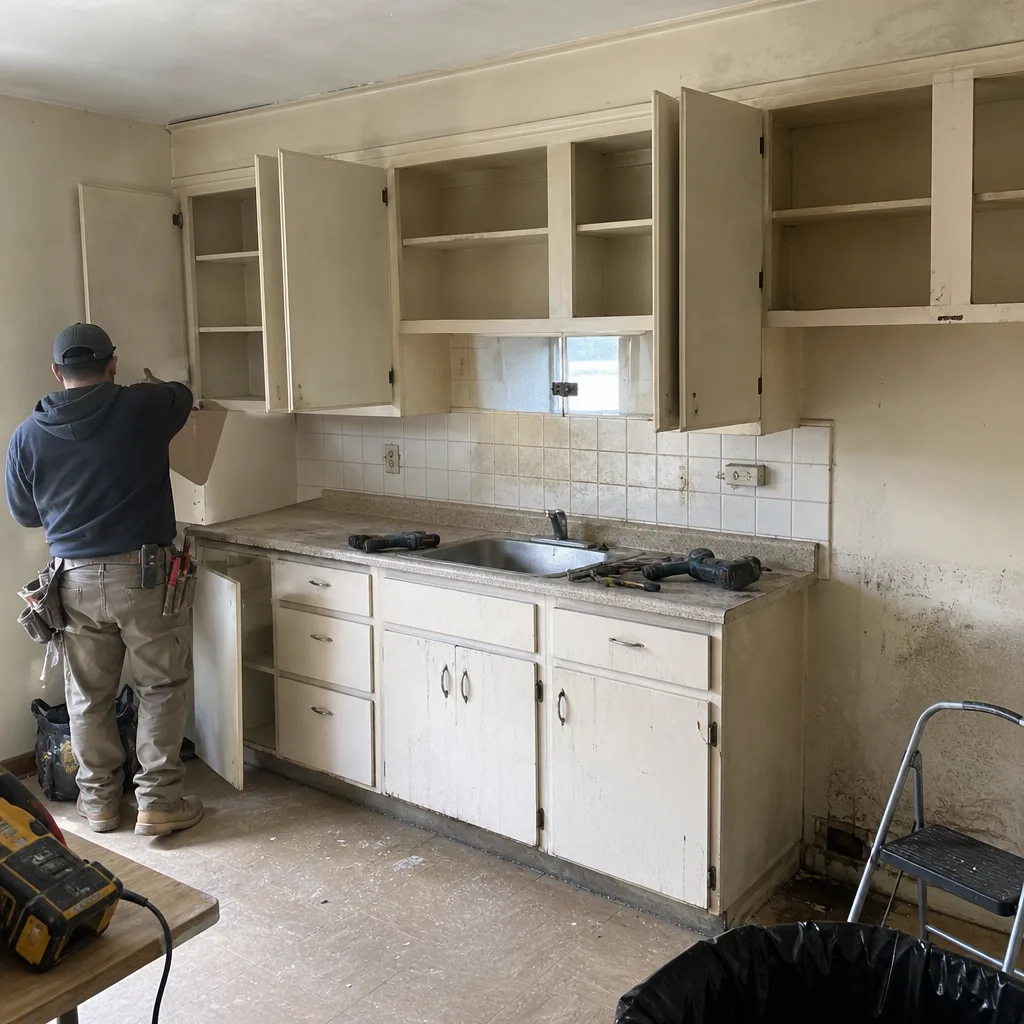 Before
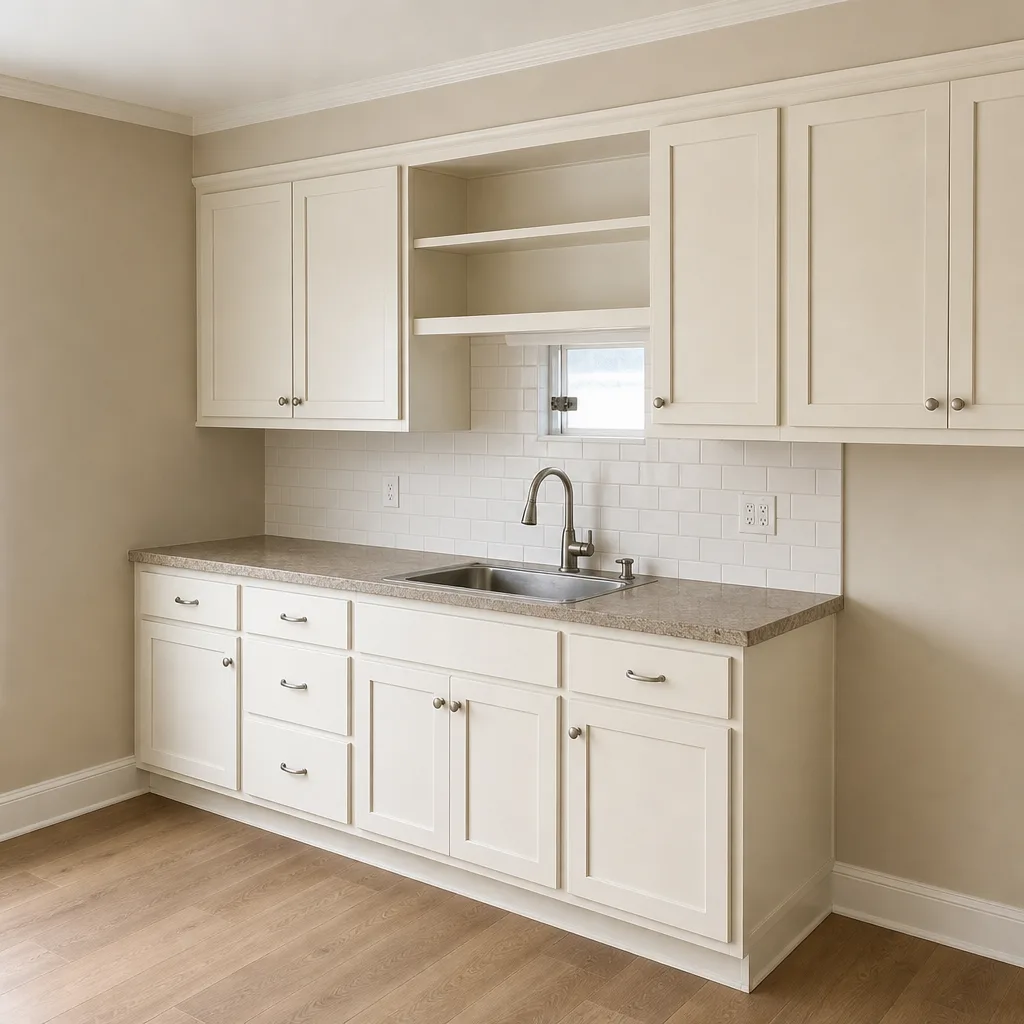 After
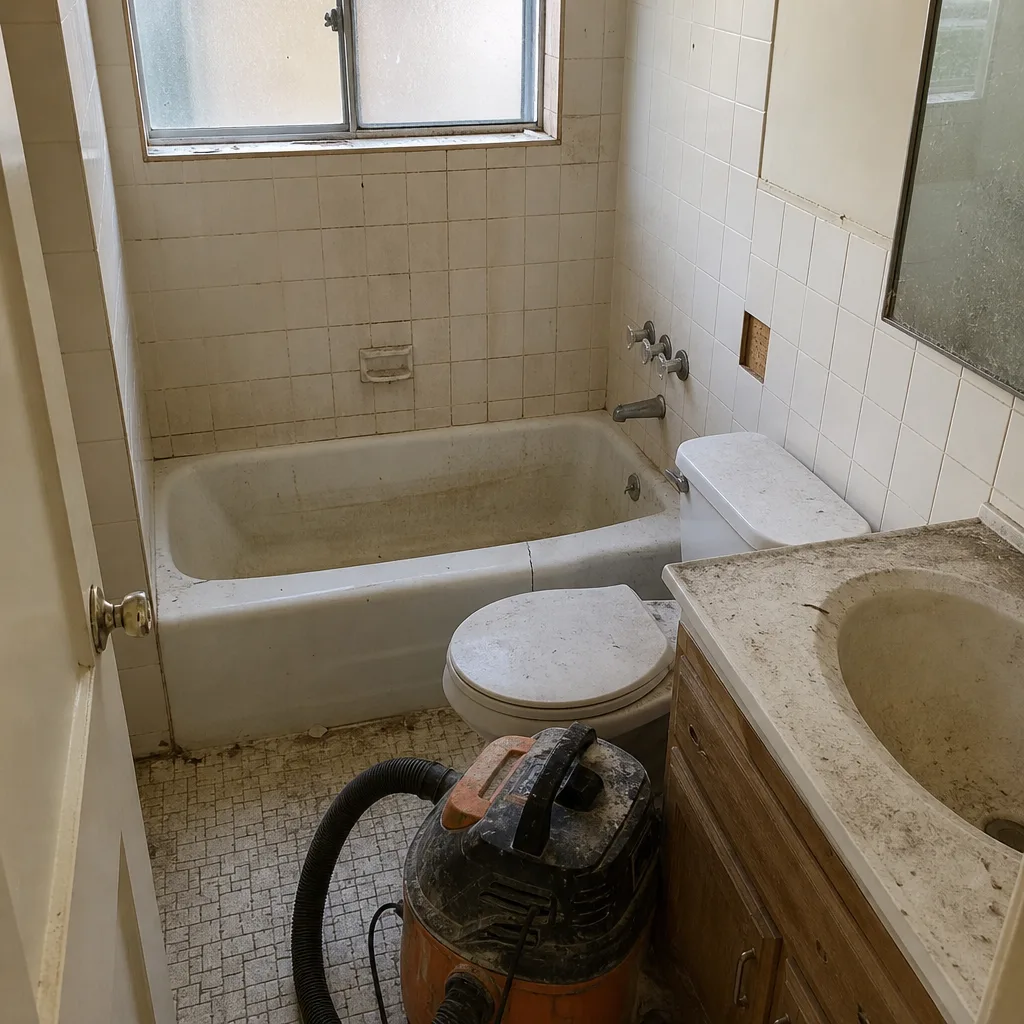 Before
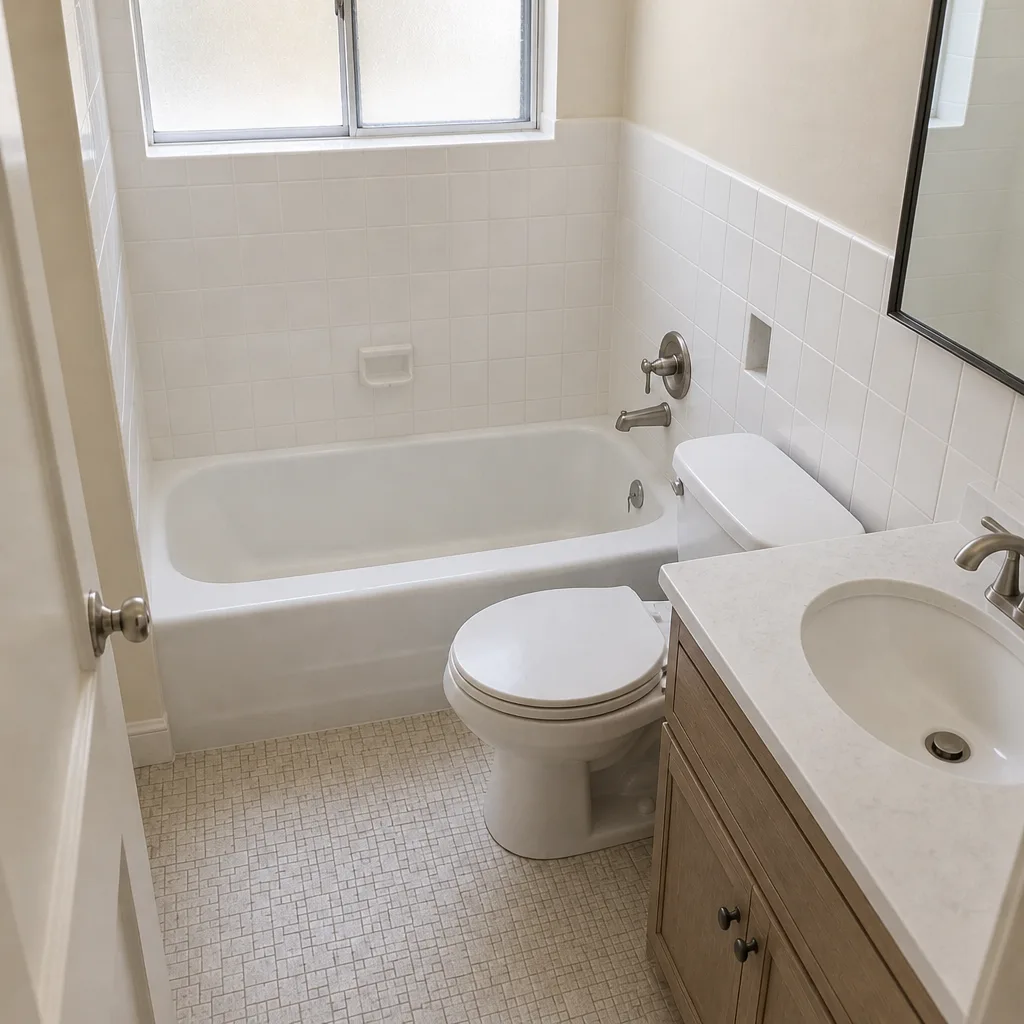 After
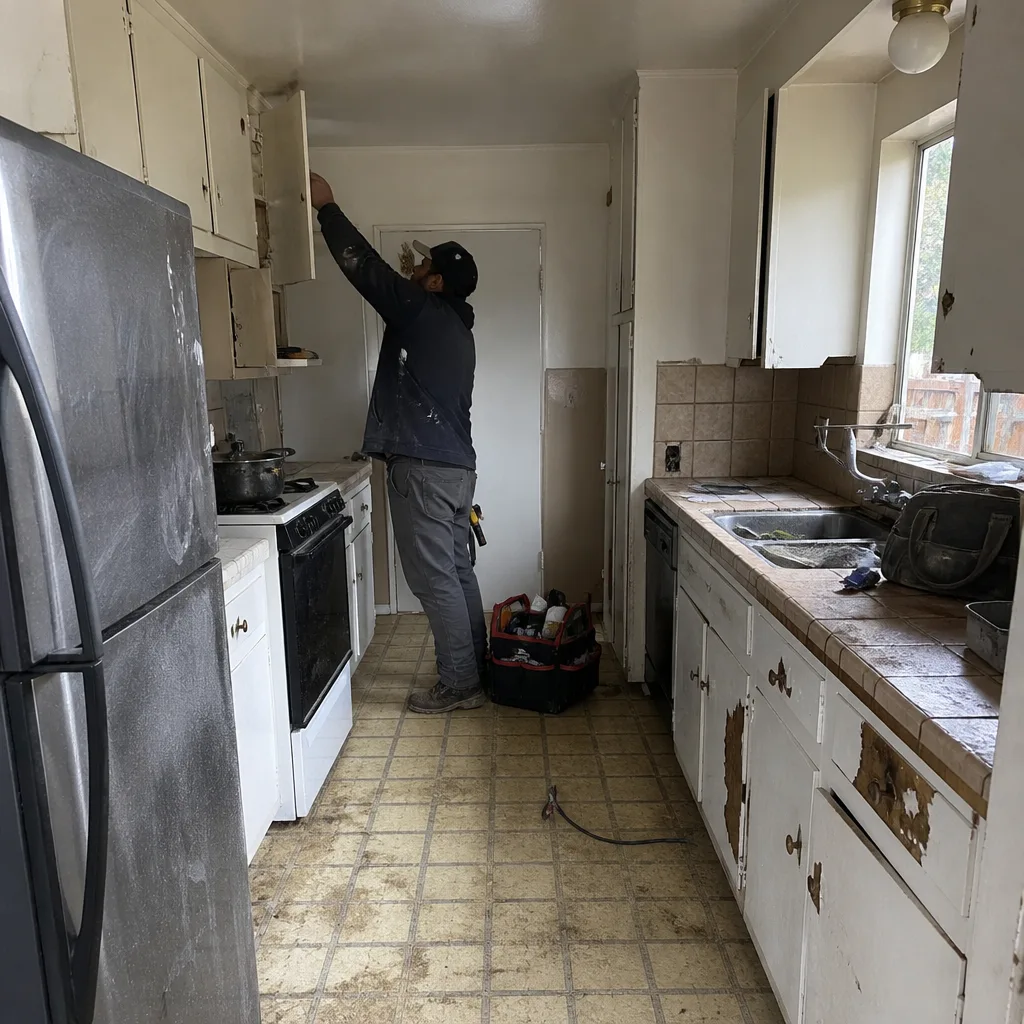 Before
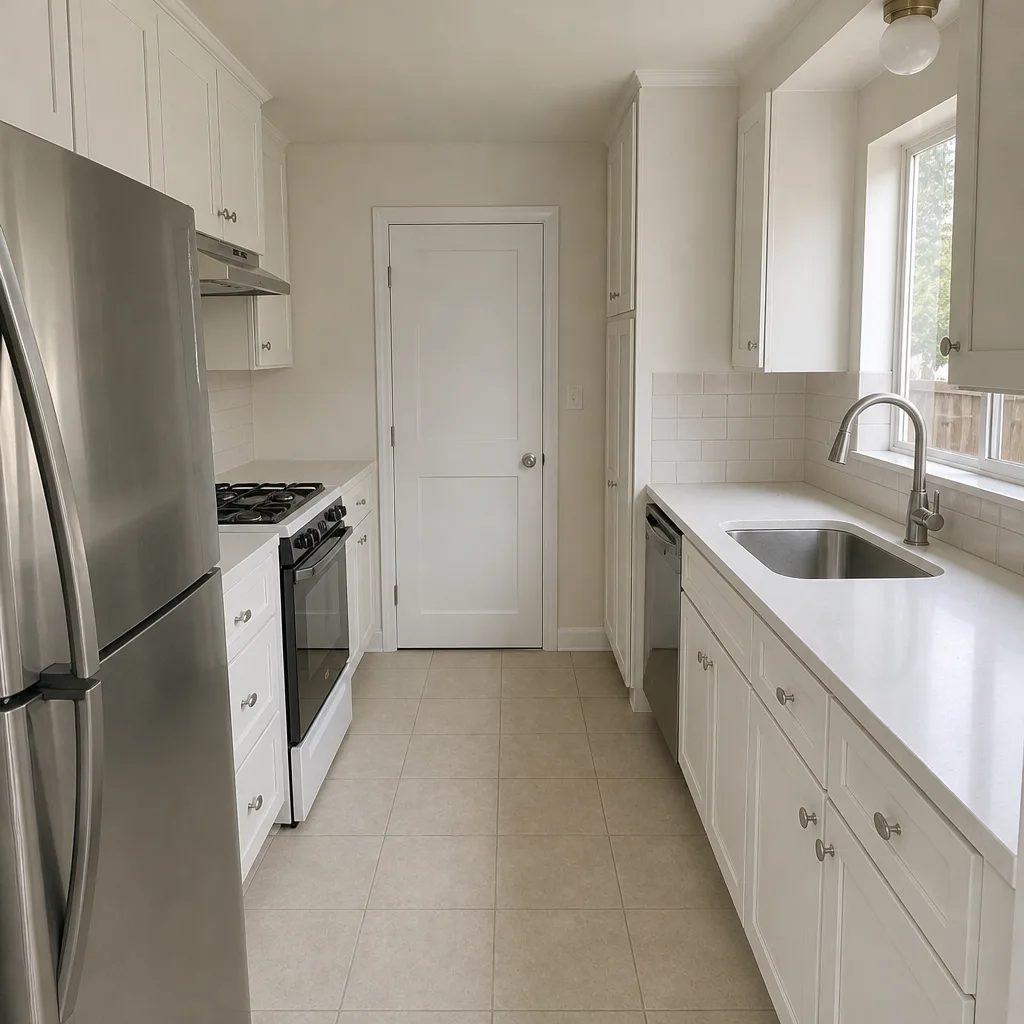 After
When to Call a Professional
Some projects are obvious candidates for a contractor: any ADU, any addition, any roof replacement, any structural change, any kitchen or bathroom remodel with a layout shift. But the less obvious scenarios are often where we help homeowners most. When you’ve received bids that vary wildly and can’t tell why, we can walk you through the differences. When you’re comparing prefab ADUs and site-built and don’t know how to compare the numbers, that’s a conversation worth having before you sign anything. When you’ve decided what you want but can’t determine whether a contractor’s price is realistic, we can help you read it. Licensed, insured and offering free estimates with written line-item quotes, we’ll price the work and explain what’s inside the number.
Construction Sunnyvale offers free estimates in Sunnyvale. Call (888) 255-9137 to schedule yours. We answer 24/7. Fast dispatch from 7am to 7pm, Sunday through Friday.
Frequently Asked Questions
Typical residential construction in Sunnyvale runs $150 – $275 per square foot for a mid-grade kitchen remodel, $350 – $550 per square foot for an ADU, and $400 – $600 per square foot for a home addition. Roofs run $12 – $22 per square foot, and paver driveways run $18 – $32 per square foot. Call (888) 255-9137 for an exact estimate; estimates are free.
Statewide averages blend lower-cost inland markets with expensive coastal ones, so they understate Santa Clara County. Local labor rates, permit volume, inspection timelines and material logistics all run above the state mean. Call (888) 255-9137 to see a Sunnyvale-specific estimate.
Most structural, electrical, plumbing and roofing work requires a permit, and ADUs and additions certainly do. The exact requirement depends on the scope of work and the city’s current code. A licensed contractor should pull the permits and pass the inspections; ask before you sign. Call (888) 255-9137 for a free consultation on your project.
The most common hidden costs in Sunnyvale are utility service upgrades, school district fees for ADUs, temporary housing during displacement, design and engineering, and landscaping restoration after construction. Budget a 10 – 20% contingency on top of the written estimate for the surprises that come with any real project. Call (888) 255-9137 to talk through your scope.
It shouldn’t if the estimate is complete and line-itemed. Change orders happen when a bid omitted scope or when existing conditions were worse than the contractor found. A written, line-item estimate with defined allowances and a clear change-order process keeps the price predictable. Call (888) 255-9137 for a written line-item quote.
Neither is automatically cheaper. Prefab units shorten the on-site window and fix more cost upfront; site-built units give more design flexibility and can land lower on an unusual lot. In both cases, foundation, site work, utility connections and permits are separate from the unit price. Call (888) 255-9137 to talk through the right path for your lot.
A cosmetic refresh typically takes 4 – 6 weeks; a full gut remodel with layout changes typically takes 10 – 16 weeks. The schedule depends on permit timing and material lead times. A written bid should state the duration and how delays are handled. Call (888) 255-9137 to get a realistic timeline for your kitchen.
The Bottom Line
Construction costs in Sunnyvale are best read as ranges and scopes, not single numbers. An ADU priced at $350 – $550 per square foot, a kitchen at $75,000 – $130,000, or a roof at $18,000 – $32,000 is only as useful as the line items behind it. Use benchmarks to verify a bid, not to find the cheapest one. Budget for utility upgrades, district fees, temporary housing and landscaping restoration. Get written, line-item quotes with permits and inspections included. Do that, and the surprises that derail most Sunnyvale projects never happen to you.
One contractor, every trade – from the roof to the driveway. Whether you’re comparing bids on a kitchen, planning an ADU, or refreshing the exterior, we’re here to price the work and explain what’s inside the number.
Call (888) 255-9137 for a free estimate. We answer 24/7. Fast dispatch from 7am to 7pm, Sunday through Friday.
Written by the team at Construction Sunnyvale.