Last updated November 18, 2026


Free written scope consultation - allowances, timeline, and change-order rules on paper before a single trade is scheduled
How to Hire a Construction Contractor in Sunnyvale: A Step-by-Step Guide
A contractor with two hundred five-star reviews can still hand you a project that runs twice as long and costs far more than the number on the bid. That sounds wrong until you understand what reviews actually measure: how pleasant the last phone call felt, not how the company handles a permit delay at the Sunnyvale planning counter or whether the framing crew shows up on a Tuesday morning. The skills that protect your investment are boring and verifiable. They live in license records, insurance certificates, permit history, and the exact wording of a contract. This guide walks you through qualifying a Sunnyvale contractor the way a developer would: before the first bid, before the deposit, before anyone touches your house. You’ll learn what to check, what to ask, and the contract clauses that quietly shift risk onto you.
Quick Answer
To hire a construction contractor in Sunnyvale, verify their California license and bond on the CSLB website, confirm active general liability and workers’ comp coverage with certificates sent directly from the insurer, pull their permit history through the city, and require a written contract with a defined scope, milestone schedule, and lien waiver timing. Get bids from at least three contractors who have done comparable work, then compare true project cost rather than the bid number. The lowest bid in Silicon Valley is usually a starting point for renegotiation, not a final price.
Styles & brands we work with
- Kitchen remodeling
- Bathroom remodeling
- Home additions & ADU
- Roofing
- Windows & doors
- Driveway & pavers
- Fence
Table of Contents
- Step 1: Verify the License Beyond “Active” Status
- Step 2: Read the Insurance Certificates, Not the Certificate of Insurance
- Step 3: Ask Who Swings the Hammer
- Step 4: Check Permit History Through City Records
- Step 5: Read the Contract Like It’s a Loan Document
- Step 6: Compare True Project Cost, Not Bid Cost
- Step 7: Match Scope to One Contractor
Step 1: Verify the License Beyond “Active” Status
Every legitimate contractor in California holds a license from the Contractors State License Board, and the CSLB website is free and public. Most homeowners stop at the word “active” and move on. That’s the first mistake. An active license tells you the contractor hasn’t been revoked, not that they’re qualified for your job or financially stable.
Here’s what to actually pull from the CSLB record:
- License classification. A general building contractor (Class B) can take a whole-house project. A specialty contractor (Class C) is limited to their trade. If you’re remodeling a kitchen and the license reads Class C-39 (roofing), that’s a mismatch, no matter how good the reviews look.
- Bond status. California requires contractors to carry a contractor’s bond. Check that it’s current and that the amount matches the required minimum. A lapsed bond can mean trouble collecting if something goes wrong.
- Workers’ comp coverage. The CSLB record shows whether the contractor has workers’ comp on file or is exempt. An exemption is legal only if the contractor has no employees. If they show up with a crew and the record says “exempt,” that crew is uninsured, and you may be exposed if someone is injured on your property.
- Complaints and disciplinary actions. The disclosure page lists formal complaints and any disciplinary history. Read it. A single resolved complaint isn’t disqualifying; a pattern is.
- Business name and address. Make sure the name on the contract matches the name on the license. If it doesn’t, ask why.
Do this check in Sunnyvale even when a contractor comes recommended by a neighbor. Recommendations are a starting point, not verification, and Sunnyvale’s housing stock varies enough (mid-century ranch homes, newer townhomes near downtown, large lots out toward the foothills) that a contractor who did great work on one property may be out of their depth on another.
Step 2: Read the Insurance Certificates, Not the Certificate of Insurance
Any contractor can email you a PDF that says “Certificate of Insurance.” What matters is whether the policy is live, whether the limits are adequate, and whether you’re actually named on it. Do not accept a certificate from the contractor’s own email. Ask the insurer or broker to send the certificate directly to you. A legitimate contractor won’t blink at this request.
Three things to confirm:
- General liability coverage that’s active for the dates of your project, with limits high enough to cover damage to your home. Ask what the per-occurrence and aggregate limits are.
- Workers’ compensation coverage for every person who will set foot on your property, including any subcontractors. If a sub is uninsured, that gap can land on you.
- Additional insured status for you, the homeowner, where possible, so your interests are protected if a claim arises.
Workers’ comp gaps are the quiet killer. A framing crew that shows up without coverage is a crew you’re financially exposed to if someone falls off a ladder. The CSLB exemption exists for solo owner-operators, not for a five-person crew. If the paperwork doesn’t square with the headcount, walk.
Step 3: Ask Who Swings the Hammer
Full-scope construction almost always involves subcontractors: an electrician for the panel, a plumber for the rough-in, a drywall crew after inspections. That’s normal and healthy. What you need to know is whether the subs are the same people the contractor’s reputation was built on, or a fresh face hired off a job board for your project.
Ask these questions directly, and listen for specifics:
- Who is on-site every day? A superintendent or lead who is physically present, or a project manager who checks in by phone? You want a name and a role, not a reassurance.
- Which subs do you use repeatedly? Consistency matters more than a roster. Long-standing relationships mean the sub has a track record with this contractor and won’t disappear mid-project.
- Who pulls the permits and calls for inspections? The contractor, not the sub. This is a tell: contractors who delegate permitting to subs often lose track of the inspection sequence.
- What happens when a sub is running late? You’re looking for a real answer about schedule recovery, not “it never happens.”
In Sunnyvale, permit timelines for kitchen and bathroom remodels, additions, and ADUs can stretch depending on the scope and the city’s review queue. A contractor with consistent subs can absorb a delay because the team knows the sequence. A contractor who assembles a fresh crew per job tends to cascade, and your project becomes the casualty.
Step 4: Check Permit History Through City Records
This is the fastest trust signal in the industry, and almost no homeowner uses it. Sunnyvale maintains public permit records through the city’s building department, and a contractor’s permit history tells you more than any review platform ever could.
What to look for:
- Volume and recency. A contractor with steady, recent permits for projects similar to yours is working, and the city has reviewed their work. A contractor with a thin or old permit history is a question mark.
- Scope match. If you’re building an ADU, look for ADU permits. If you’re doing a full kitchen gut, look for remodels of that scale. Permit volume in the wrong category tells you nothing useful.
- Inspection results. Permits are closed when inspections pass. Repeated failed inspections, or long gaps between permit issue and final sign-off, are worth asking about gently. Every contractor eats a failure now and then; a pattern is different.
- Unpermitted work. If a contractor’s history shows work done without permits on projects that clearly needed them, that’s a red flag. It’s also a problem you might inherit if you buy or renovate a home where it happened.
Most cities require a permit for structural work, additions, ADUs, and most remodels that touch plumbing, electrical, or structural elements. Sunnyvale is no exception. Ask the contractor to walk you through how they handle permitting before you sign anything.
Step 5: Read the Contract Like It’s a Loan Document
The contract is where a project lives or dies, and the language that looks boilerplate often shifts risk from the contractor to you. Read it slowly. Ask a question for every clause you don’t understand. The good ones will explain; the ones who get defensive are telling you something.
Look for these red flags:
- Vague scope language. Phrases like “standard installation” or “per plan” or “as needed” are placeholders for future disputes. The scope should specify materials, quantities, brands, and finish standards. A kitchen scope that names countertops as “quartz” without naming the slab is a scope that can be filled with the cheapest option on the yard.
- No milestone schedule. A contract without dates for demolition, rough-in, inspections, and finishing is a contract without a clock. Ask for a milestone schedule with dates attached.
- Missing or unclear lien waiver timing. In California, a contractor and their subs can file a mechanic’s lien against your property if they aren’t paid, even if you already paid the contractor. The contract should specify when lien waivers are delivered: at each milestone, before the next payment is released. A contract that doesn’t address this exposes you to double payment.
- Payment schedules front-loaded to the deposit. A large deposit up front (beyond a reasonable mobilization amount) means you’re funding the project with no leverage. Progress payments should follow visible milestones.
- Change-order language that shifts liability. A change-order process that lets the contractor bill “reasonable” additional costs without your written approval is a blank check.
- Arbitration or dispute clauses that strip your right to sue. These can be legitimate, but you should understand exactly what you’re agreeing to before signing.
- No warranty language. Ask what the workmanship warranty covers, how long it lasts, and what voids it.
A written line-item quote with fixed pricing and no change orders outside the written, signed process is what you want. If the pricing is “to be determined” once work begins, that’s not a bid, it’s an estimate with a blender attached.
Step 6: Compare True Project Cost, Not Bid Cost
The lowest bid almost always wins the job, and it’s almost always the wrong choice. The gap between a low bid and the final invoice in Silicon Valley isn’t a secret; it’s a pattern. Here’s how to see it before you sign.
Compare bids on these dimensions, not just the bottom line:
- Specified materials. A bid naming Cambria or Caesarstone counters compared to a bid saying “quartz” is comparing two different products. A bid naming GAF or CertainTeed or Owens Corning roofing is a bid naming a real roof. A bid naming Belgard pavers is different from a bid that says “pavers.” Align the specs, then compare prices.
- Labor assumptions. Does the bid assume a certain crew size and calendar duration? A fast, cheap bid often assumes crews finish faster than they can, which means renegotiation or a slip.
- Allowances. Check every allowance number against a real material invoice for the brands in scope. A generous allowance that turns out to be 30% below real material cost is a cost the owner will pay later.
- Exclusions list. Long exclusions (dump fees, permits, finishing touches, site protection, debris hauling) are places where the “bid” turns into a change order. Bring them into the price before comparing.
- Warranty coverage. A bid with a strong workmanship warranty that’s clearly described is worth more than one with none.
The practical move: ask each contractor to line-item their bid against a scope you supply. Same materials, same finishes, same milestones. Then the price you’re comparing is the actual price.
Step 7: Match Scope to One Contractor
Multi-trade projects are where contractors get fragmented, and where homeowner time gets eaten alive. A roof replacement that also touches windows, a driveway repave that pairs with a new fence, a kitchen remodel that cracks a pipe joint in the wall – these are common in Sunnyvale homes, and coordinating five contractors for one project means five calendars, five deposits, five schedules, and five warranty documents.
Here’s where single-contractor coverage pays for itself. A company that spans construction in Sunnyvale across roofing, windows and doors, fencing, driveways and pavers, kitchen and bathroom remodeling, and additions handles the coordination internally. There’s no gap between the framing crew and the window installer where a scheduling slip can happen. The plumbing sub and the tile sub share a schedule because they answer to the same superintendent.
This matters most for whole-property projects. A driveway and pavers upgrade that runs into the front yard fence is a good example: coordinating between two contractors who disagree about grade and drainage is a headache. So is an installation of new fencing that happens after the driveway contractor has already staged materials on the fence line. One company with one schedule eliminates the phone calls.
For additions and ADUs, the coordination gap gets even wider. A home addition or ADU touches foundation, framing, roofing, electrical, plumbing, and finishes simultaneously, and the permit sequence is unforgiving. You want the same team owning the whole build, not transitioning between trades at the worst possible moment.
Our technicians have up to 10 years of experience across the trades, and we work with a roster of more than 50 named brand manufacturers. That matters because it means we can name the material before the bid, rather than hedging with “builder-grade” language that leaves the specification to chance.
What to Check for Sunnyvale Homes Specifically

Sunnyvale’s housing mix is more varied than its reputation suggests. Mid-century ranch homes near downtown have aging plumbing and electrical that often surface during a kitchen or bathroom remodel. Newer townhomes and rebuilds near the major tech campuses tend to have more modern systems but tighter lot constraints. Larger properties out toward the foothills often serve as good candidates for additions and ADUs, where the lot has room and the permit path is clearer.
A few local realities worth building into your contractor questions:
- Mild winters, real rain. Sunnyvale gets winter storms, and any roofing, gutters, or drainage work should be scheduled with the rain season in mind. A contractor who scopes a roof or driveway project without talking about weather windows hasn’t thought it through.
- ADU interest is steady. Sunnyvale allows ADUs on many lots under state rules, and the local appetite for adding livable square footage is strong. Ask whether the contractor does both site-built and prefab ADU work, since the pathways are different: site-built offers more design flexibility, prefab (from brands like Abodu, Dvele, Mighty Buildings, Boxabl, and Plant Prefab) can be faster and more predictable. A contractor who can work both ways is easier to align with your lot and timeline.
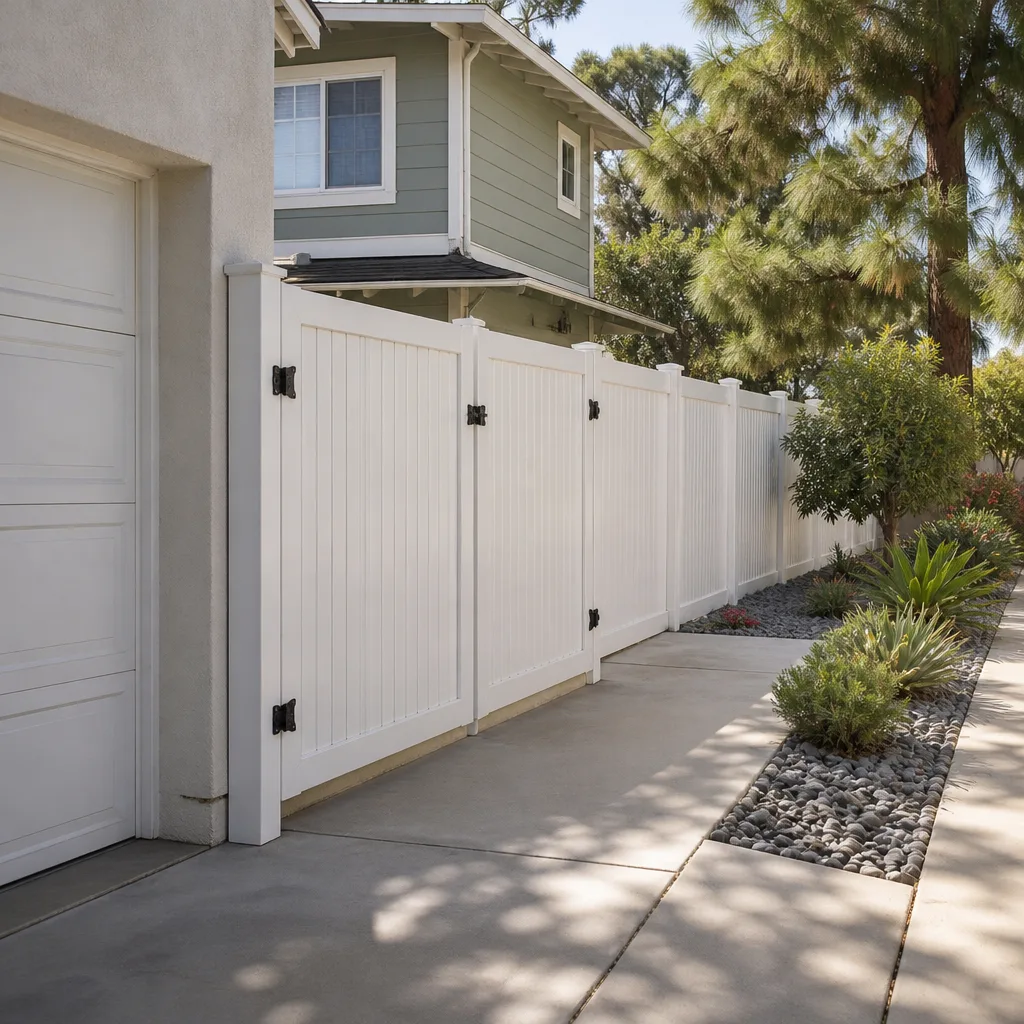
- Fencing matters more than homeowners think. In a dense neighborhood, fence style, height, and material are visible from the street. Options like Jerith, ActiveYards, and Bufftech give you real choices in aluminum, vinyl, and ornamental styles, and those choices should be specified in the contract, not picked from a catalog later.
For a full-scope company, these are the same questions we walk through on every estimate. It’s a lot easier to answer them once, for the whole property, than three times across three contractors.
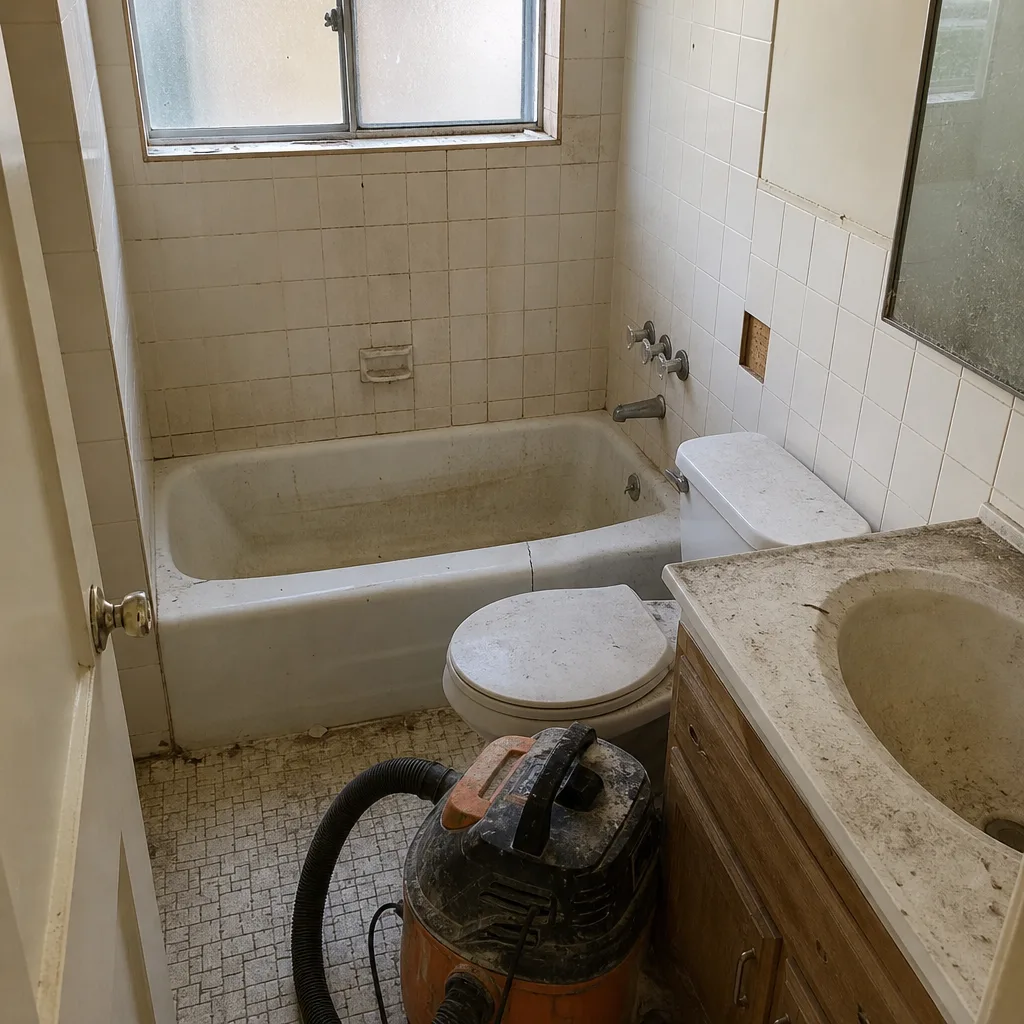
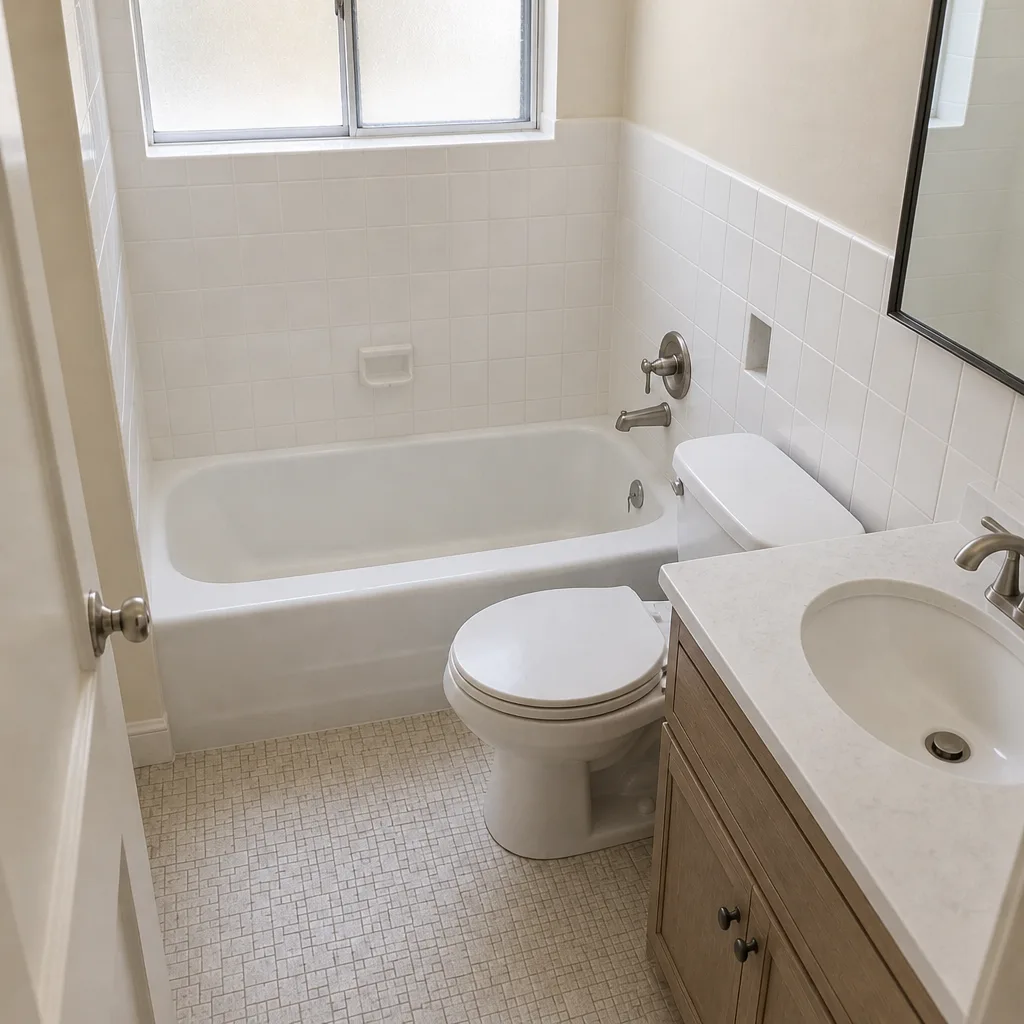
See the difference
 Before
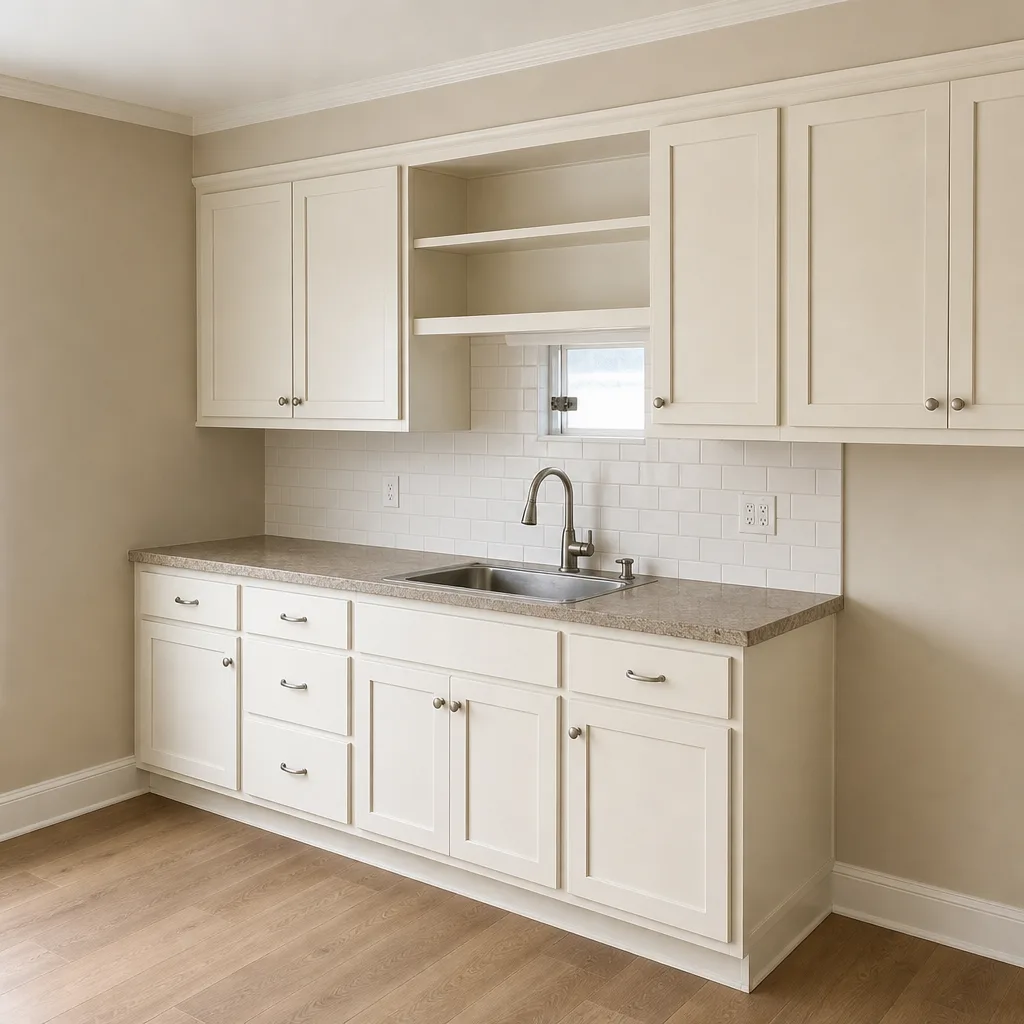 After
 Before
 After
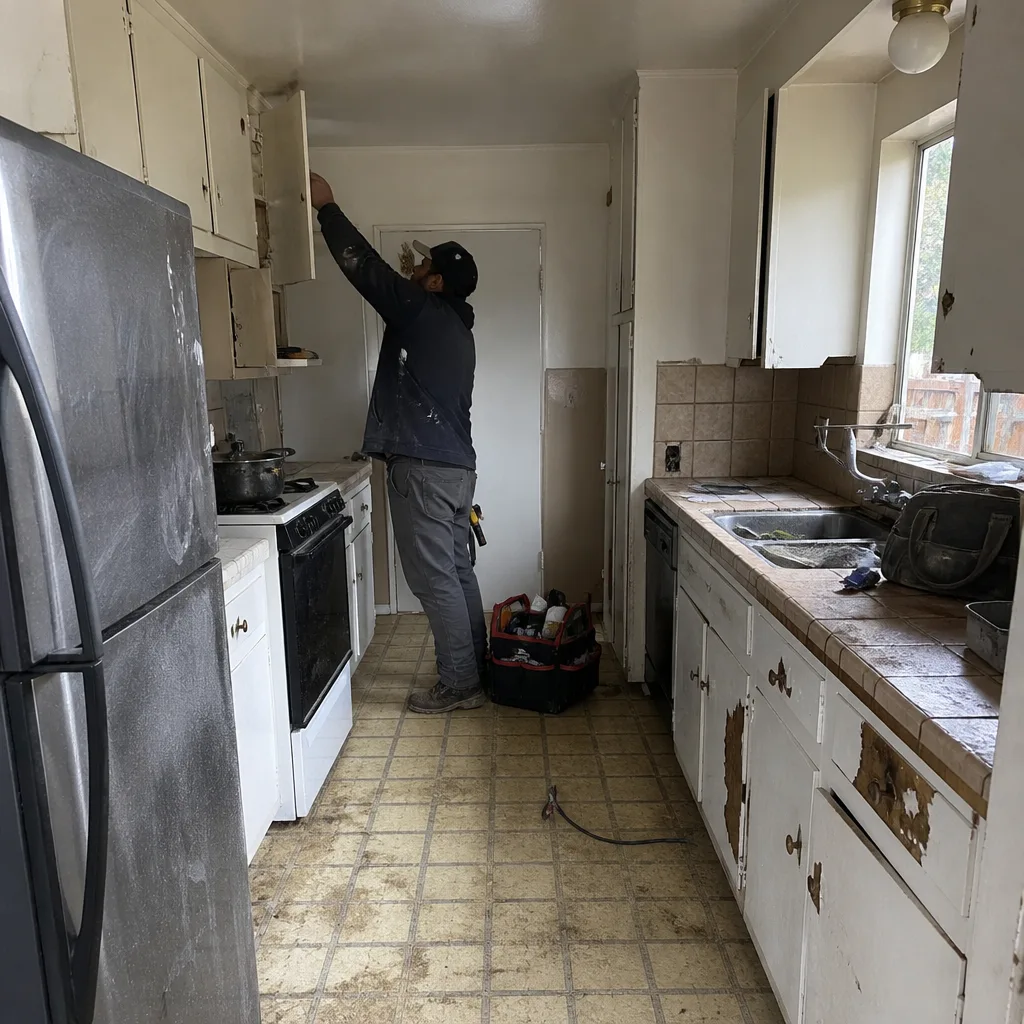 Before
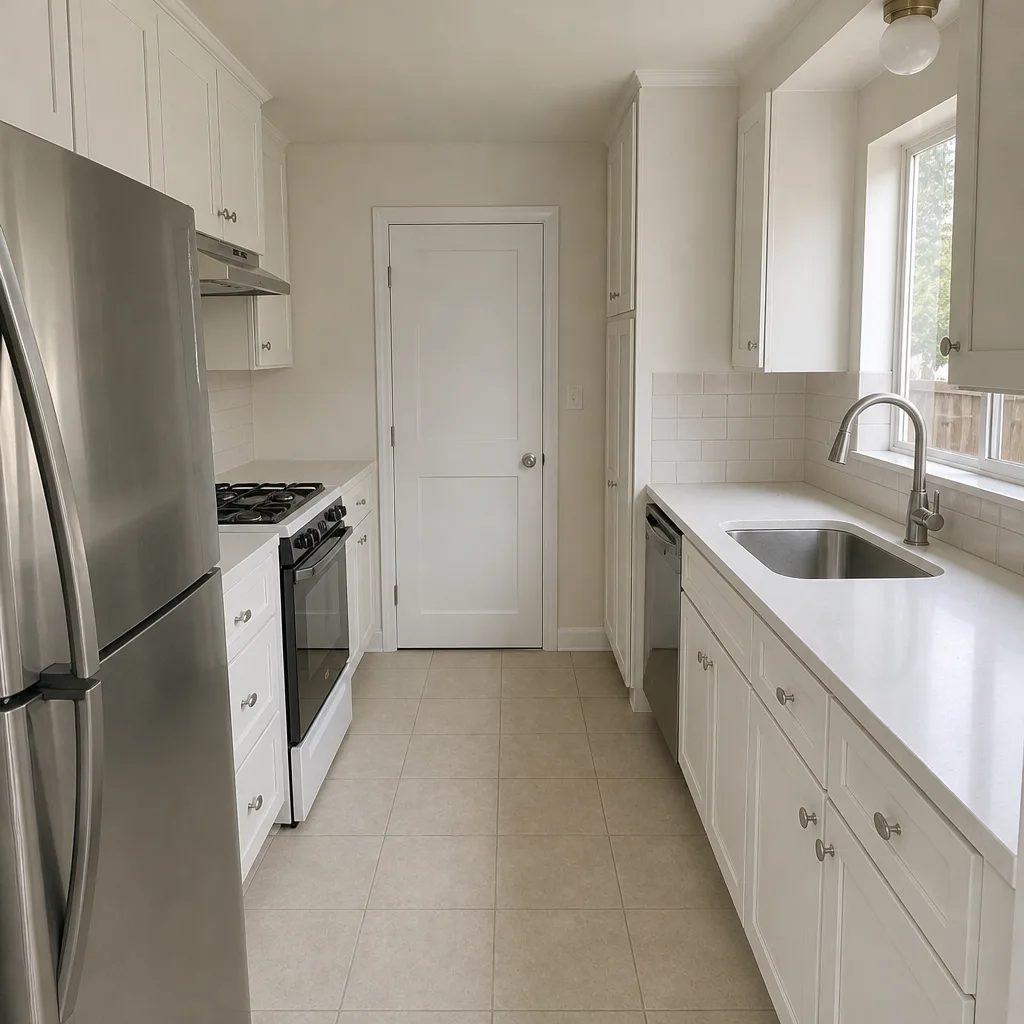 After
Common Mistakes to Avoid
- Trusting review platforms more than public records. Reviews measure a customer’s feeling about the last phone call. Permit history measures how the contractor actually performs when the city is watching. Pull both, but weight the records.
- Accepting a certificate of insurance from the contractor’s own email. Ask the insurer to send it directly to you. A contractor who resists this is a contractor with a story you don’t want to hear in month three.
- Signing a contract with vague scope language. “Standard installation,” “per plan,” and “as needed” are the three phrases that most often precede a change order. Specify materials, brands, quantities, and finish standards before you sign.
- Paying a large deposit without a milestone schedule. Progress payments should follow visible milestones. Front-loaded deposits leave you with no leverage if the project stalls.
- Ignoring lien waiver timing. A contractor who doesn’t deliver lien waivers as each payment is released can leave you exposed to a mechanic’s lien even after you’ve paid in full. Expect waivers at every milestone.
- Picking the lowest bid after comparing specs against nothing. A bid that underspecifies materials, omits allowances, and lists vague exclusions is not comparable to a bid that names every material. Spend the hour to line-item the comparisons.
- Splitting the project across contractors when one company could own the scope. Coordination sounds easy until you’re on the phone between a roofer, a window installer, and a framer about a sequencing problem neither contractor wants to own.
When to Call a Professional
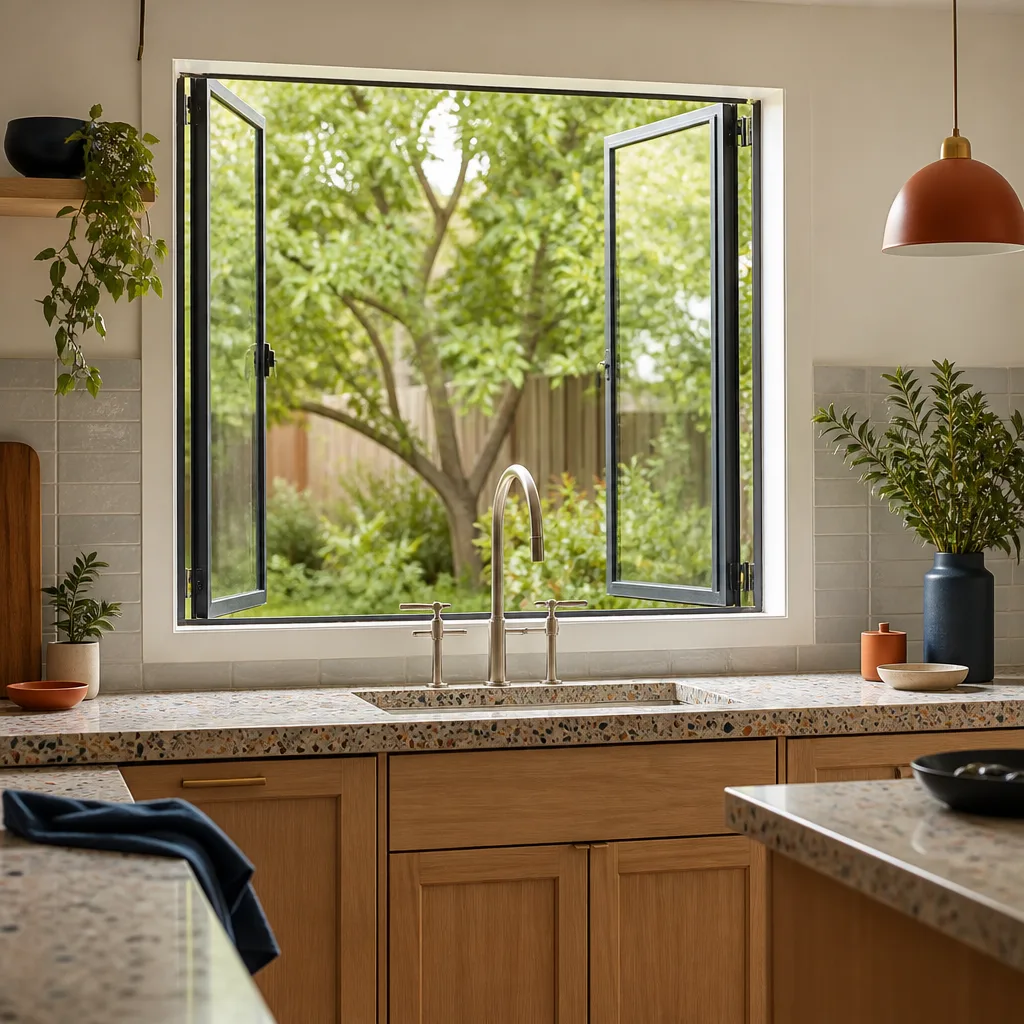
Some projects sit clearly in “call a pro” territory: full kitchen or bathroom remodels that touch plumbing or electrical, roof replacements, window and door replacements, driveway replacement or paving, fence installation, and any addition or ADU. If your project involves a permit, assume you need a professional, and assume the permit is required until the city tells you otherwise. Sunnyvale projects that touch structure, electrical, plumbing, or gas need licensed tradespeople, and the DIY path risks both injury and code problems you’ll pay for later.
There’s also a category where it’s less about the work and more about the calendar. When you have three projects in your head and two contractors already booked for months, one call can consolidate the scope into a single estimate. Construction Sunnyvale offers free estimates in Sunnyvale; call (888) 255-9137. We answer 24/7, and fast dispatch runs from 7am to 7pm, Sunday through Friday.
Frequently Asked Questions
Verify the contractor’s license, bond, and insurance through the California Contractors State License Board (CSLB) website, then ask for the insurance certificate to come directly from the insurer. Review permit history in Sunnyvale through city building records, and read the contract for scope clarity, milestone schedule, and lien waiver timing. A contractor who welcomes all three checks is a contractor worth talking to. Call (888) 255-9137 for an estimate and we’ll walk you through the same process we use.
The lowest bid is often a starting point for renegotiation rather than the true project cost. Bids that underspecify materials, omit allowances, or carry long exclusions tend to generate change orders once work begins. Compare bids against a shared scope: same materials, same milestones, same finish standards. The written estimate, not the bid number, sets the final price. Call (888) 255-9137 for an exact quote – estimates are free.
It shouldn’t, provided the contract fixes pricing and defines the change-order process. A written line-item quote with fixed pricing and no change orders outside a signed approval process is the standard you want. If change orders do arise, they should require your written approval before work proceeds. The written estimate sets the final price. Call (888) 255-9137 to schedule a free estimate.
Most Sunnyvale kitchen and bathroom remodels require a permit when they touch plumbing, electrical, or structure. Always confirm directly with the city’s building department before work begins, and confirm in writing that the contractor is pulling the permit. A contractor who answers “we don’t need a permit” for a project that clearly moves a drain or an outlet is telling you something. Call (888) 255-9137 if you want help reading a scope before you talk to the city.
Site-built ADUs are constructed on your lot, offering maximum design flexibility and the ability for the contractor to align with the existing structure. Prefab ADUs are built off-site and assembled on your property, often faster and more predictable in cost. Both are valid pathways in Sunnyvale, and the right choice depends on lot constraints, timeline, and how much customization you need. Call (888) 255-9137 to schedule a free estimate.
Timelines depend on scope, permit review time, and material lead times. Kitchen and bathroom remodels typically run weeks, while additions and ADUs run months and depend on the permit sequence through the city. Ask for a milestone schedule with dates in the contract, and understand that a realistic schedule is a better trust signal than an aggressive one. Call (888) 255-9137 to talk through a realistic timeline for your project.
The Bottom Line
Hiring a construction contractor in Sunnyvale is a due diligence exercise, not a popularity contest. Verify the license and insurance, read the permit history, and treat the contract as the document that decides how the project actually goes. Compare bids against a shared scope, not against the bottom line, and expect the written estimate to be the number the work is held to. Above all, close the coordination gap early: a single contractor spanning multiple trades keeps the schedule, the materials, and the warranty in one place. Our technicians have up to 10 years of experience, and we work from a curated roster of more than 50 named brands so the material in the bid is the material on the job. If you’d rather have one conversation than five, call (888) 255-9137. We answer 24/7. Fast dispatch from 7am to 7pm, Sunday through Friday. Estimates are free, written line-item, and there’s no change order without your signature.
Written by the team at Construction Sunnyvale.